

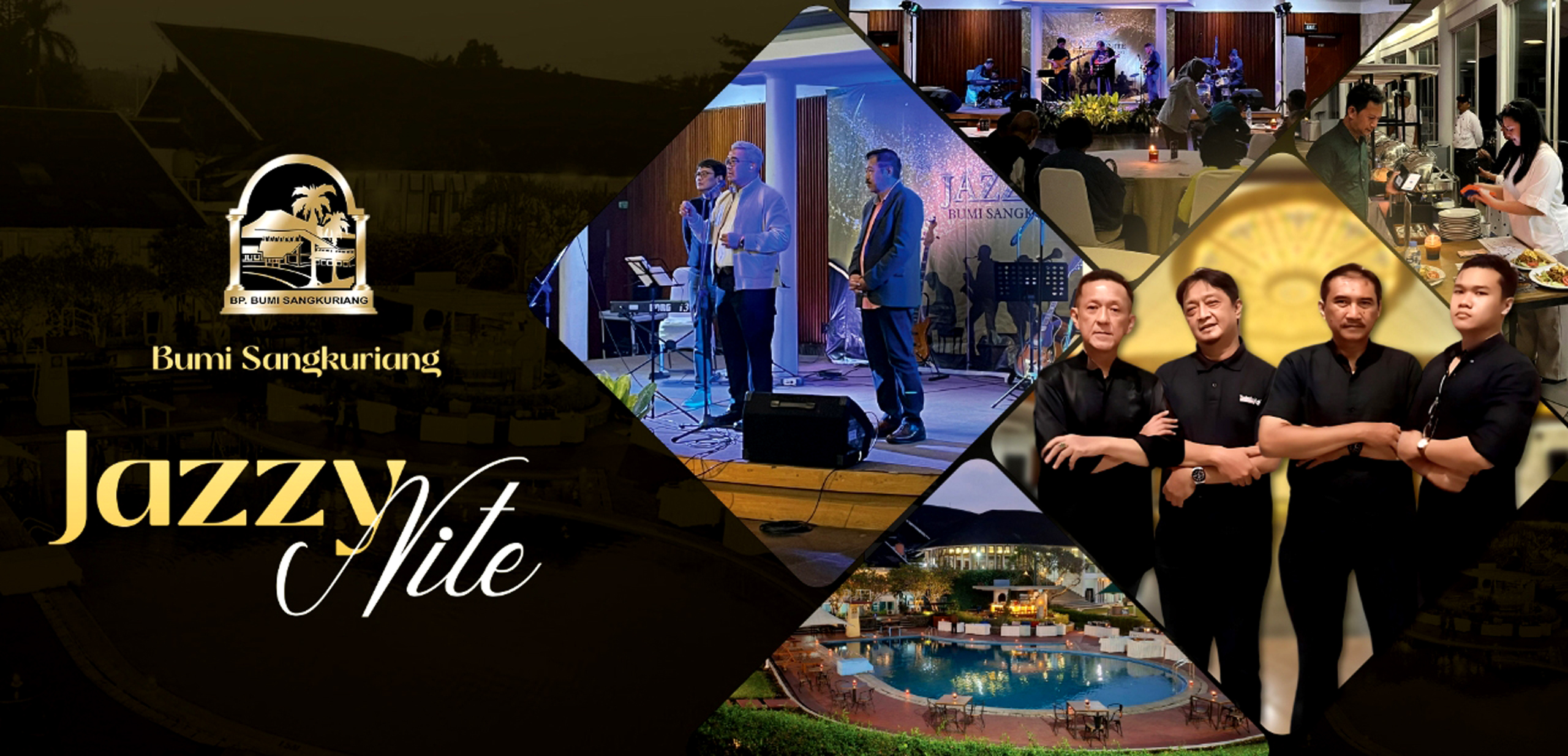
In the verdant, hilly landscape of North Bandung, a unique cultural phenomenon is unfolding within the walls of a storied architectural landmark. The “Bumi Sangkuriang Jazz N Blues” (BSJB) and now “Bumi Sangkuriang Jazzy Nite” (BSJN) series, represents a powerful and sophisticated model of symbiotic cultural stewardship. More than just a monthly concert, this project., is a deliberate act of cultural placemaking. It is a process through which a historic venue, laden with the complex legacies of colonialism and the aspirational spirit of Indonesian nationalism, is being infused with contemporary vitality. Simultaneously, a modern, grassroots music scene is anchoring its identity and legitimacy in the deep cultural soil of a cherished local landmark. This report presents a detailed analysis of this confluence, examining the intricate connections between the BP Bumi Sangkuriang heritage site, the key musical figures driving its current revitalization, and the broader context of Bandung’s vibrant jazz ecosystem. By deconstructing the historical layers of the venue, profiling the architects of its new sonic identity, and analyzing the mechanics of their collaborative enterprise, this report will argue that the BSJB series serves as an exemplary micro-level case study. It offers profound, macro-level implications for heritage management, grassroots cultural production, and the forging of sustainable creative communities in urban Southeast Asia and beyond.
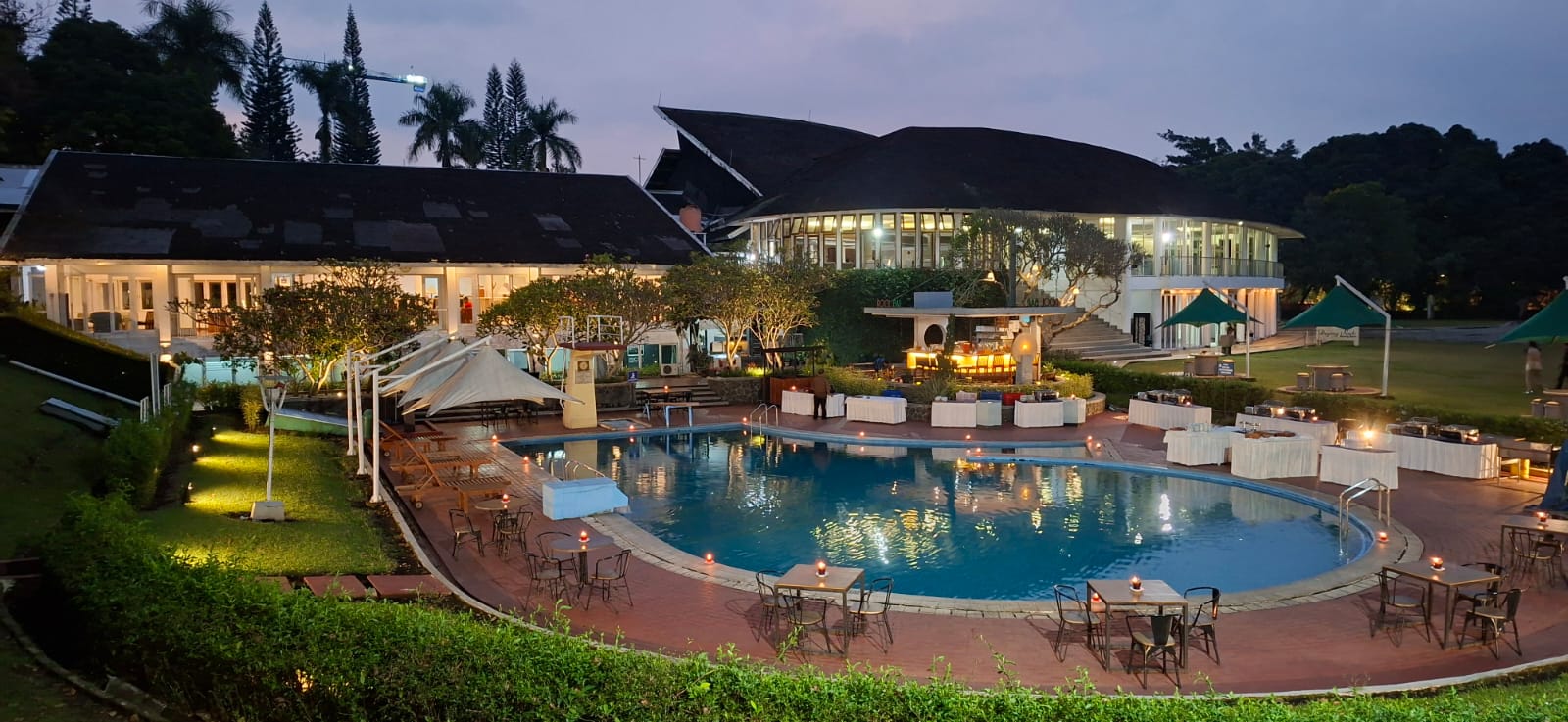
The story of Bumi Sangkuriang begins with an act of national re-appropriation. The building was constructed in 1957 to replace the Societeit Concordia, a social club that had been the exclusive domain of Bandung’s Dutch colonial elite, particularly the wealthy “Preanger Planters” who ran the region’s vast plantations. This original club, located in the city center, was a potent symbol of colonial segregation and authority. Its function was irrevocably altered in 1955 when the newly independent Indonesian government, under President Soekarno, took over the building to host the monumental Asia-Africa Conference. This event transformed a space of colonial leisure into a global stage for post-colonial solidarity, renaming it Gedung Merdeka (Freedom Hall). This act left the Dutch-affiliated socialites and local elites (menak) without their primary gathering place. In response, a new facility was commissioned in the cooler, more secluded northern hills of Bandung. Designed by the Dutch architect A.W. Gmeilig Meyling and completed in 1957, this new building was initially known as the Country Club Concordia before adopting the name Bumi Sangkuriang. Its establishment as Indonesia’s first “country club” marked a significant social transition. While still catering to a certain social stratum, its existence in a post-independence context signified a shift away from a racially exclusive colonial model. It became a space for the new Indonesian elite, a place where social life could continue, but now under the banner of a sovereign nation. For generations of Bandung residents, it became a beloved venue for family outings, swimming, parties, and social gatherings, embedding itself deeply into the city’s collective memory. The history of the venue is thus a direct reflection of Indonesia’s own journey—a narrative of spatial and symbolic decolonization.
The architectural form of Bumi Sangkuriang is as significant as its social history. Designed by Gmeilig Meyling, the building is a prime example of the Jengki style, an architectural movement that flourished in Indonesia in the 1950s and is now understood as a reflection of the “Spirit of Modern-Indonesia”. The Jengki style was a conscious and often playful rebellion against the rigid, rationalist lines of pre-war Dutch modernism (like the International Style) that had dominated colonial architecture. Characterized by unusual angles, sloping roofs, playful facades, and a more expressive, less dogmatic approach to form, Jengki architecture was a physical manifestation of a newfound national confidence and a desire to forge a uniquely Indonesian modern identity. The choice of this style for Bumi Sangkuriang was not accidental. It represented an aesthetic break from the colonial past, mirroring the political break that had necessitated its construction. The building’s design eschewed the formal classicism of the old Societeit Concordia in favor of a dynamic, forward-looking aesthetic. It was modern, but not in a derivative European way. It was Indonesian. This architectural statement is crucial because it means the building itself is an artifact of the nation’s search for a post-colonial identity. It is not a colonial relic but a monument to the optimism and creative spirit of the early independence era. When contemporary jazz musicians perform within its walls, they are not simply borrowing a colonial backdrop; they are engaging with a structure that was born from the same spirit of independence and creative self-determination that often animates jazz music itself.
The “Bumi Sangkuriang Jazzy Nite” series did not emerge in a cultural vacuum. Its success and significance are deeply rooted in the fertile soil of Bandung’s established and multifaceted jazz ecosystem. The city has long cultivated a reputation as a hub for jazz in Indonesia, supported by a sophisticated infrastructure of dedicated venues, influential media platforms, and a network of passionate musicians and chroniclers. Understanding this ecosystem is essential to appreciating how an artist-led initiative like BSJN could not only survive but thrive, leveraging and contributing to the city’s vibrant cultural economy. At the same time with the recent revitalization at Bumi Sangkuriang, Bandung’s jazz scene was anchored in fact simultaneously by key institutions that built a substantial audience and a high standard for performance.
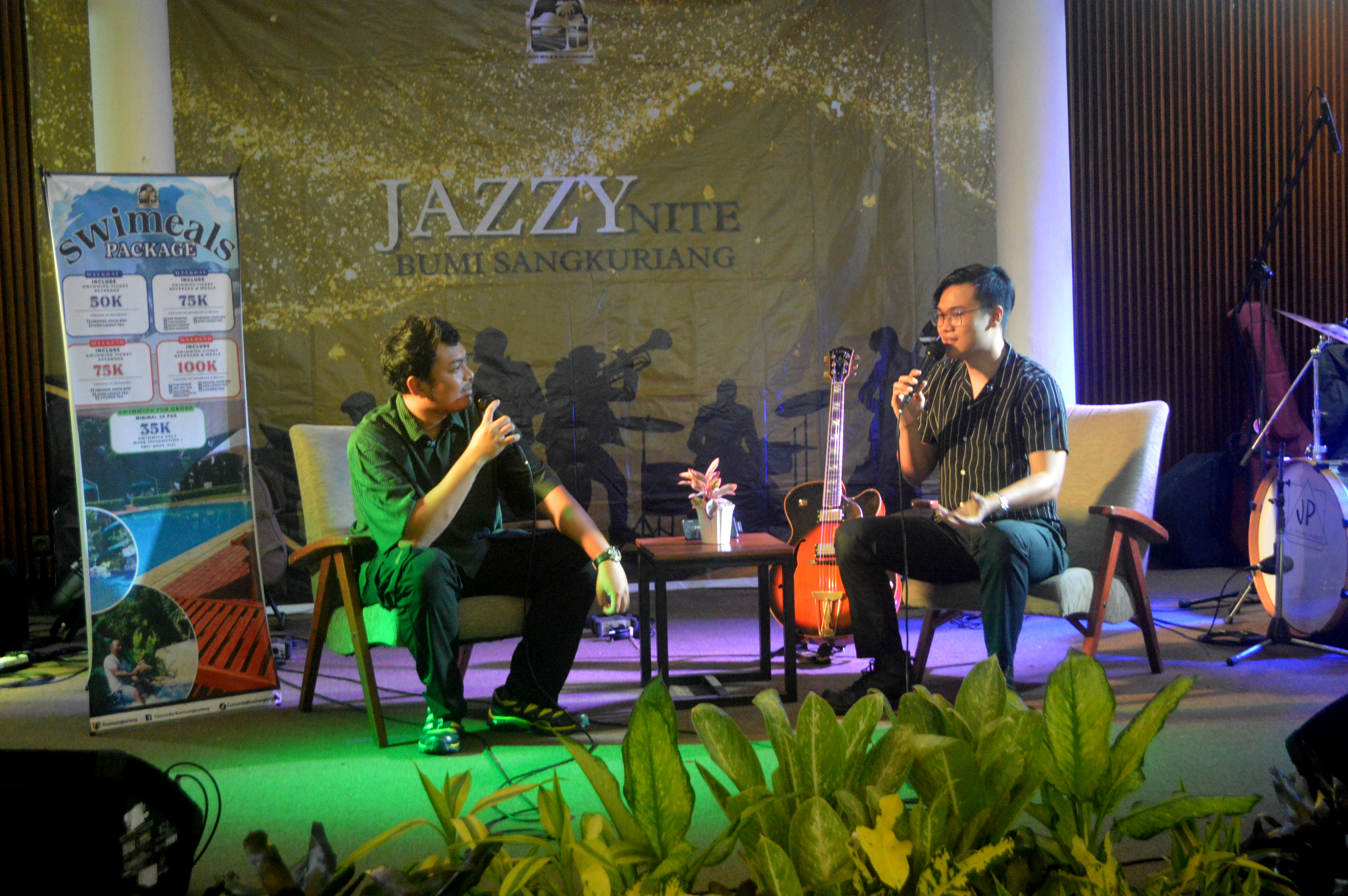
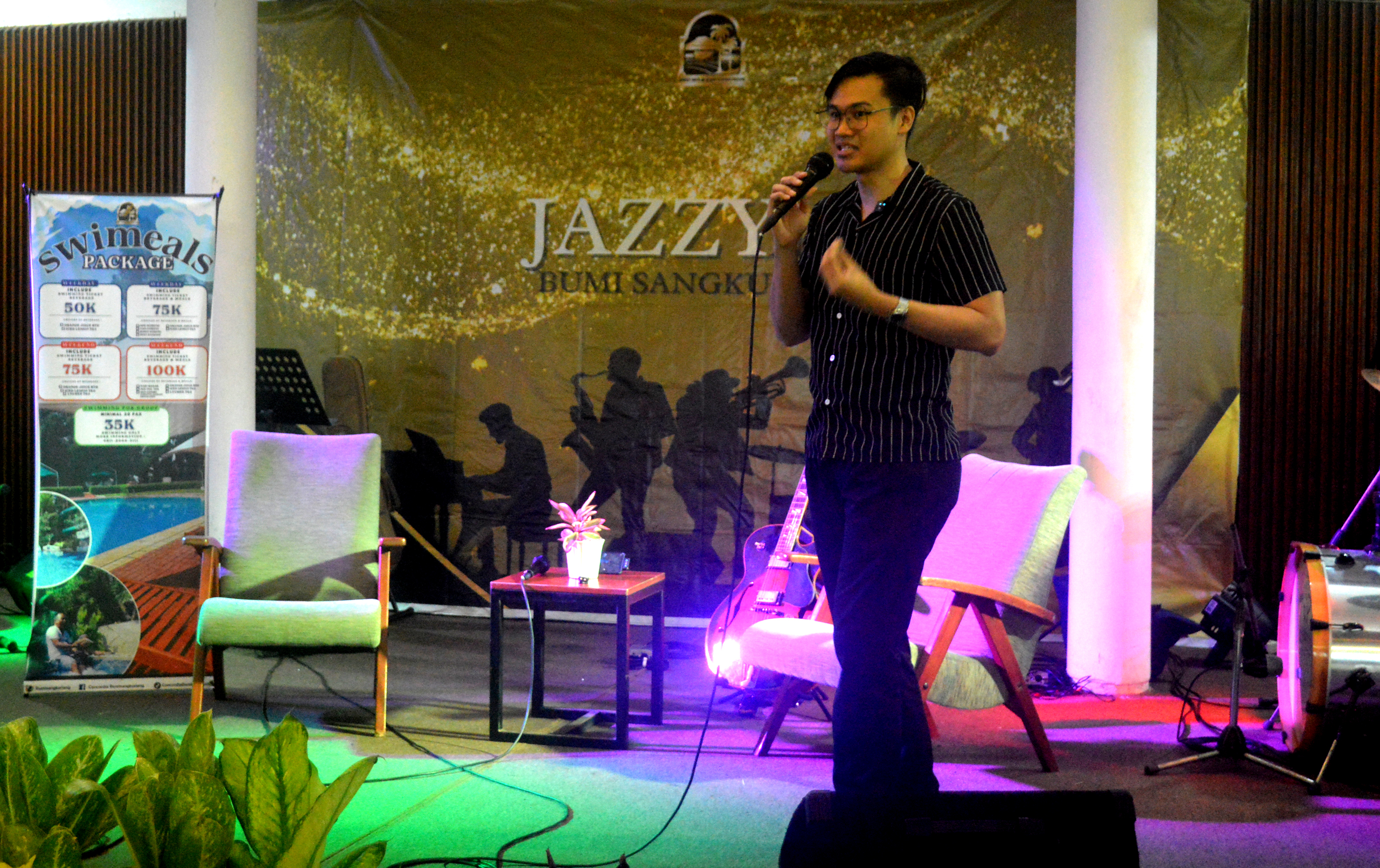
Recently, while the historical significance of the venue and the richness of the local scene provide the necessary context, the “Bumi Sangkuriang Jazzy Nite” series is ultimately propelled by the vision and collaborative energy of a core group of individuals. The Art of Jazz and Fabian Winandi for the recent episode—reveals a network of overlapping roles and a synergy that is both artistically creative and strategically astute. They are not merely performers; they are scene-builders, operating as musicians, promoters, chroniclers, and even researchers, who together have crafted a sustainable and self-aware cultural project.
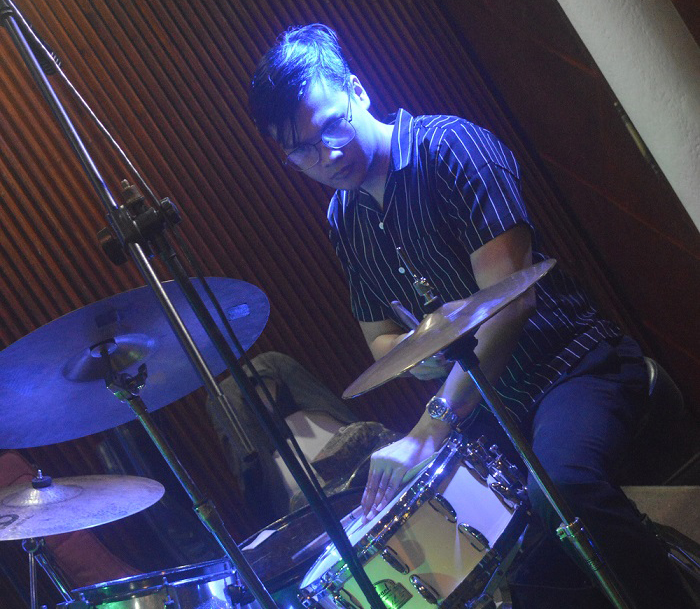
Their musical activities are well-documented on various online platforms, showcasing a consistent output of creative work. Alman Naufal is explicitly identified as the “Host of Bumi Sangkuriang Jazz N Blues” and presently occupy the same role as the “Host of Bumi Sangkuriang Jazzy Nite”. The entire series is produced and disseminated through his organizational entities: AN Entertainment, his production company, and his official YouTube channel, which serves as the event’s primary broadcast platform. This entrepreneurial dimension is critical by creating independent platform, curating the artists, managing the production, and controlling the distribution of the final product together with Kanggep A. Kusuma, these positions them as a central node in the network—a true scene-builder who is actively constructing the infrastructure needed for his community’s art to flourish. Their works demonstrate a holistic approach that combines artistic creation with the practical demands of promotion and community organization, while distributing job to their fellow musicians and artists.
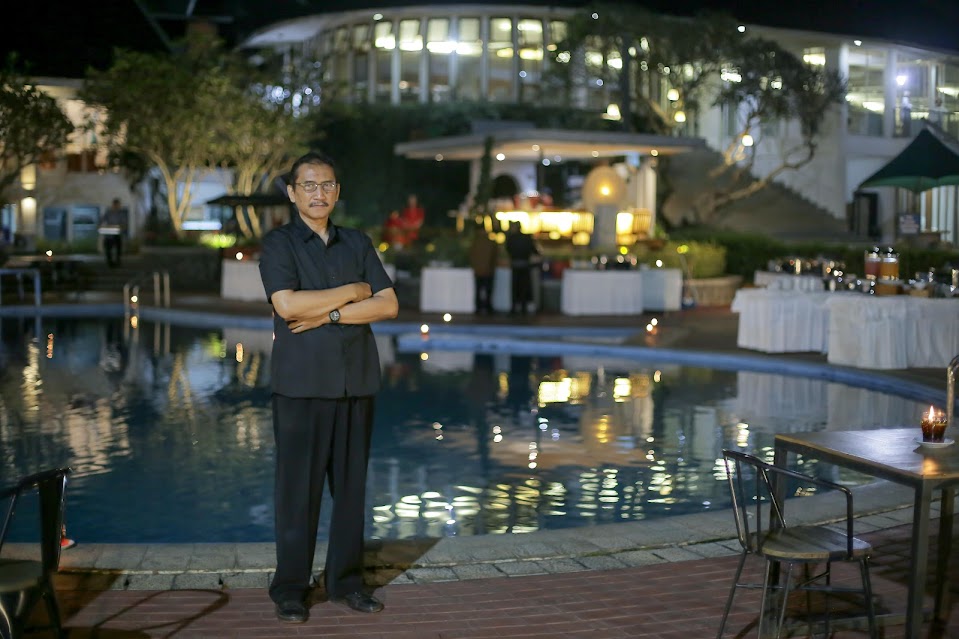
Furthermore, Kanggep A. Kusuma as a guitarist, his name is consistently linked with Naufal’s key projects. He is a featured artist on the 2024 single “Lost in Reverie” and contributed to both the Entity and The Initiative EPs. Live performance videos also place him on stage as part of Naufal’s ensembles at various events. This establishes him as a trusted and integral part of the scene’s musical core. The fact that the scene’s documentarian is also one of its active performers creates a uniquely insightful and empathetic record of its activities.
The most striking and perhaps most revealing aspect of Kusuma’s profile is his intellectual and academic work, conducted in direct collaboration with Alman Naufal, M. Pd.; publicly available academic records show them as co-authors on technical research papers, such as “Analisis Value Chain Pada Perencanaan Sistem Informasi…” and “Perencanaan Strategis Sistem Informasi Sekolah Musik…”. These papers deal with creating information systems and strategic planning for music schools. This academic collaboration demonstrates an extraordinary level of sophisticated, analytical thinking about the very structures that underpin musical creation and education. It reveals that Naufal and Kusuma are not only performing and documenting their culture but are also actively theorizing it, engaging in a deep, systematic effort to design and improve the institutional frameworks that support their art. This fusion of performance, documentation, and academic research marks Kusuma as a true polymath and their partnership as a new paradigm of the “artist-intellectual.”
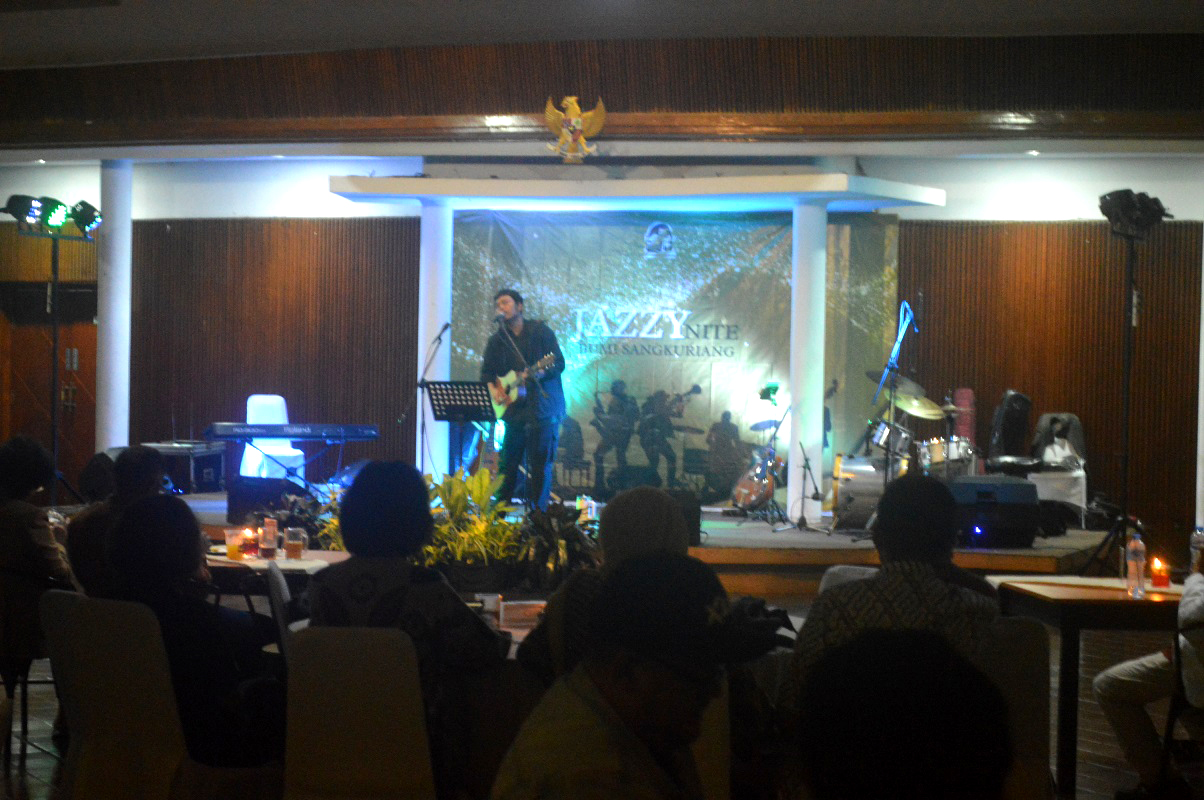
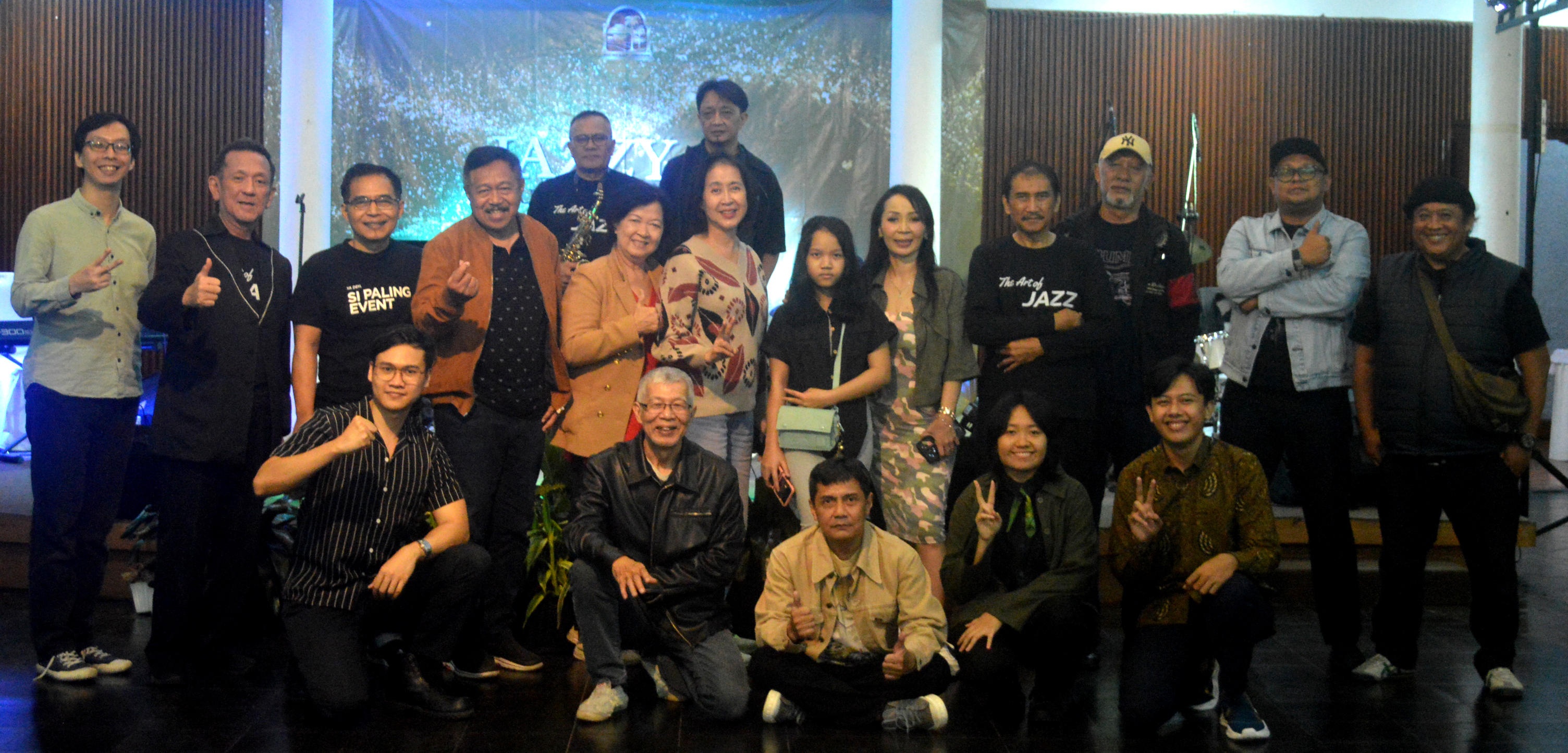
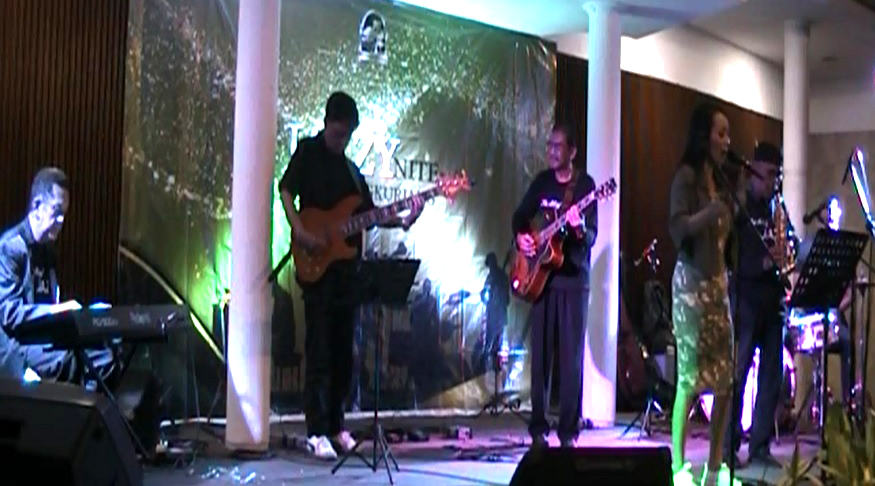
The participation of Fabian Winandi in the “Bumi Sangkuriang Jazz N Blues” and “Bumi Sangkuriang Jazzy Nite” series highlights another key strategic element of the initiative: its inclusive and genre-fluid approach. Winandi is known primarily as a pop artist, with releases like his 2015 album Fabian and songs such as “Showtime” and “Paralel” firmly situated within the pop genre. While he has appeared at events with “jazz” in the title, such as “Jazz in the mall” and Kampoeng Jazz, his core identity is not that of a jazz purist. His collaboration with the Alman Naufal Project at the BSJB and his solo performance at the BSJN event are therefore a significant curatorial choice. This act of reaching across genre lines is both artistically and strategically savvy. Artistically, it fosters creative cross-pollination, allowing for fresh interpretations of music and preventing the scene from becoming stylistically stagnant. Strategically, it serves to broaden the audience for the BSJB and BSJN series. By featuring a popular artist from an adjacent and commercially larger genre, the event can attract new listeners who might not typically attend a dedicated jazz night. This demonstrates an open and welcoming ethos, suggesting that the community being built at Bumi Sangkuriang is defined less by strict genre boundaries and more by a shared commitment to quality live music and creative collaboration. It is a practical strategy for building a larger, more diverse, and ultimately more sustainable audience. Other performers also consist of the home-band called “The Art of Jazz” (Kanggep Kusuma, S. Pd., M. Kom.-Guitar, Alman Naufal, M. Pd.-Drums, Balqi Lesmana, S. I. Kom.-Bass, Buntoro Nugroho-Piano), featuring guest stars Idham Noorsaid (Saxophone) and Windy (Vocal) that brought a powerful jazz instrumental and sweet angelic vocal voice. We also had encountered magnificent performance on stage from Dr., Ir., Baskoro Tedjo, MSEB and Dr. Astri Imelda Rosalin Simangunsong, S.T., M.T. that have contributed to the elegance and prestige of the event.
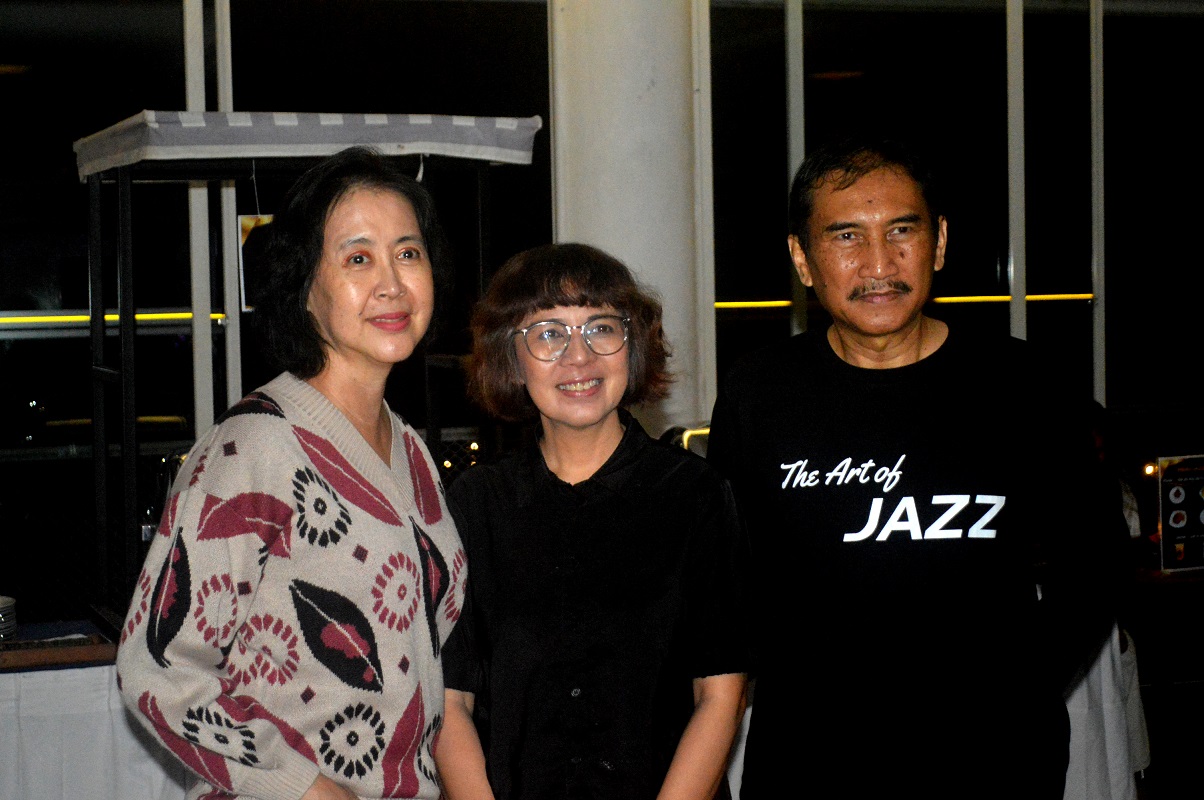
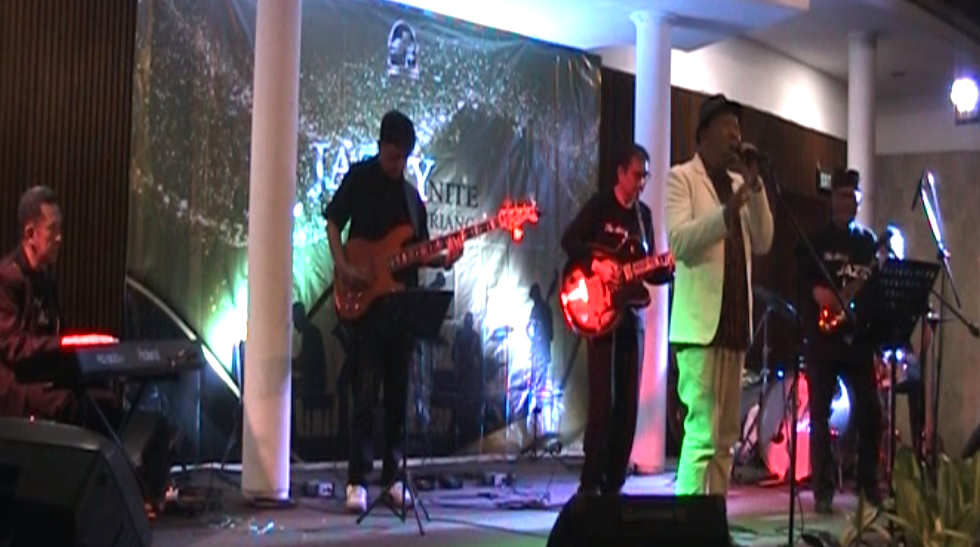
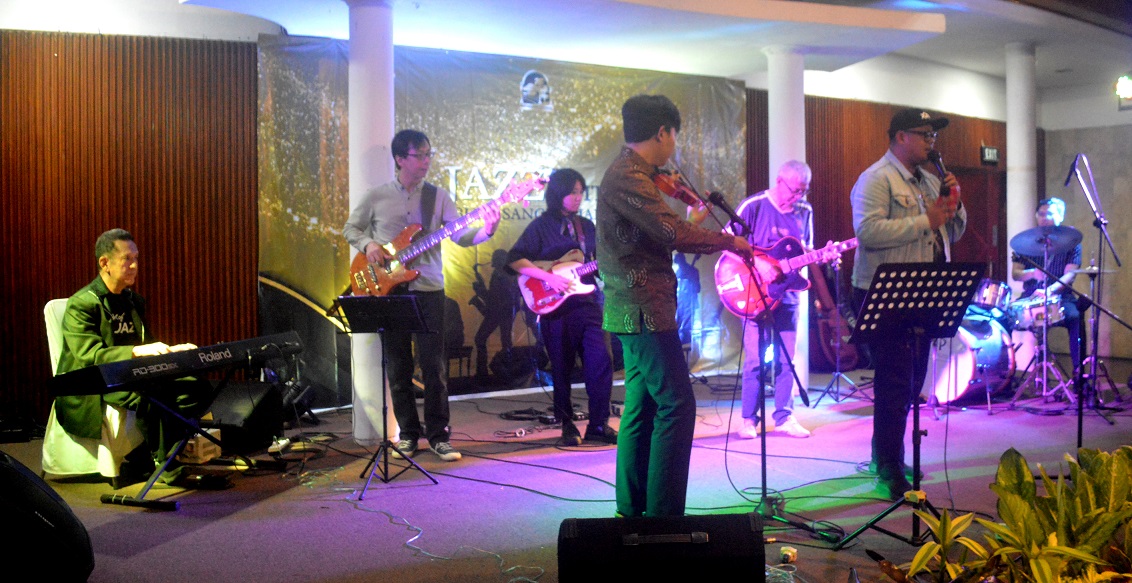
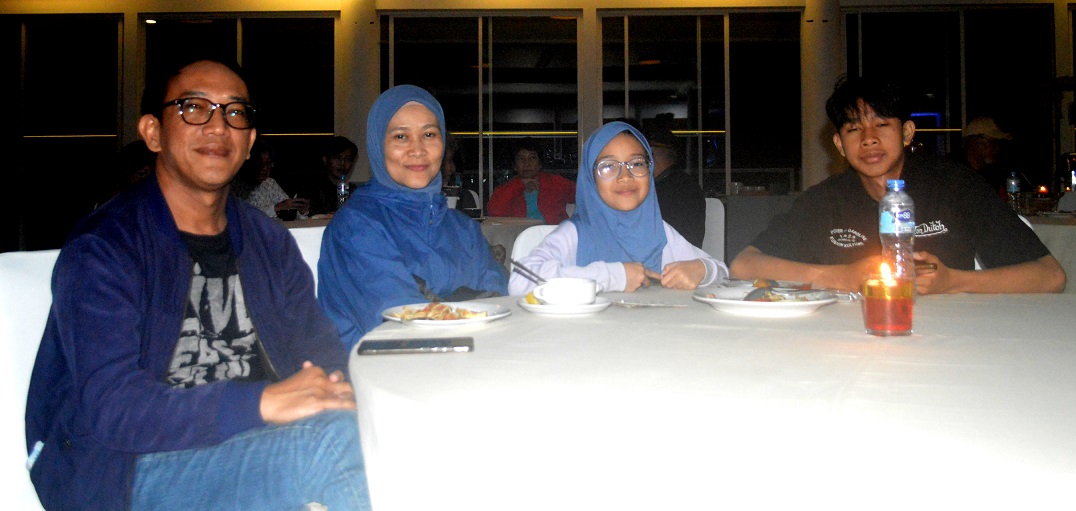
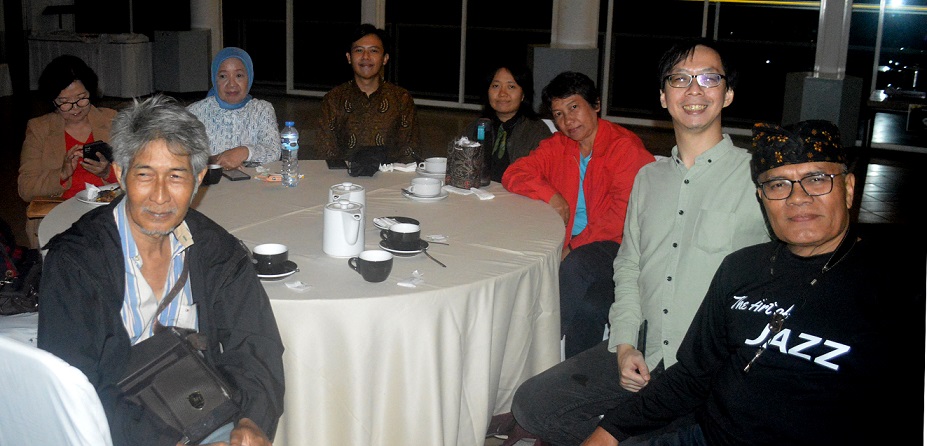
Lastly, not only that synergistic appearance and management draw a unique attention and retention from the audiences, but also the “Jazzy Menu” (special menu at 35K [food] and 10K [beverages]), door prizes, and jams sessions are the key attraction aspects of the occurrence which we will also be witnessing on the next month’s episode. So don’t miss it and bring your family and friends together to enjoy the upcoming most unforgettable “Bumi Sangkuriang Jazzy Nite”! We will see you again soon.

 iroquistore