
The intersection of spatial heritage, cultural memory, and musical innovation forms the foundational platforms for Indonesian jazz ecosystem. Over the course of the past century, jazz in Indonesia has evolved from an imported colonial entertainment medium into a deeply localized, intellectually rigorous, and culturally resonant art form. This evolutionary trajectory is inseparably linked to the physical spaces that nurture it, the historical repertoire that grounds its accessibility, and the academic musicians who continuously push its boundaries toward the future. Within the context of West Java, particularly the city of Bandung, this dynamic is distinctly visible and highly formalized. The city serves as an intricate microcosm for the broader national jazz trajectory, driven by historical conservation venues, a robust educational framework, and a unique class of practitioners who embody the “scholar-artist” paradigm. This synergy creates its own unique branding of jazz for those who are smart, classy, and having some sort of taste in an elevated art-form.
The Spatial and Cultural Heritage of BP. Bumi Sangkuriang
The built environment in which music is performed fundamentally shapes its acoustic properties, its social reception, and its historical continuity. Within the Indonesian architectural and cultural landscape, few venues possess the profound historical resonance and localized nostalgia of BP. Bumi Sangkuriang. Located at Jl. Kiputih No. 12 in the elevated, temperate Ciumbuleuit area of northern Bandung, Bumi Sangkuriang operates as far more than a mere hospitality venue; it stands as an enduring monument to Indonesia’s post-colonial cultural transition and functions as a vital, active sanctuary for the performing arts.
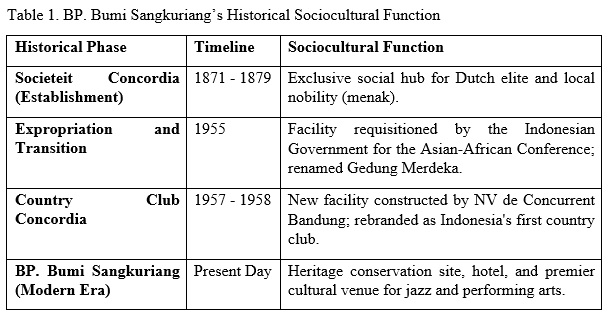
The institutional lineage of Bumi Sangkuriang traces back directly to the Dutch colonial era, specifically with the establishment of Societeit Concordia on June 29, 1879 (with some community roots tracing as early as 1871). Originally headquartered on Jalan Asia Afrika, the Concordia was the absolute epicenter of social and cultural life for Dutch expatriates, colonial administrators, and high-ranking local nobility (the menak class) residing in Bandung (see Tab. 1). However, the shifting geopolitical landscape of the mid-20th century catalyzed a pivotal geographical and conceptual shift for the institution. In 1955, the Government of the Republic of Indonesia required the Concordia building to host the historic Asian-African Conference, an event of immense global diplomatic significance. Consequently, the original building was expropriated and famously renamed Gedung Merdeka.
In exchange for this expropriated property, Societeit Concordia was granted a sprawling 25,670-square-meter plot of land in the Ciumbuleuit region. Construction of the new facility was immediately undertaken by NV de Concurrent Bandung and was officially completed in December 1957. By 1958, navigating the post-colonial identity of the nation, the institution rebranded itself as Country Club Concordia, effectively establishing itself as the first official country club in Indonesia. Today, operating under the formal designation of Bumi Sangkuriang, the estate actively maintains its heritage while functioning as a highly modernized multi-use facility featuring a hotel, a grand ballroom, swimming pools, gymnasiums, and expansive recreational grounds.
Particularly, the cultural memory embedded within the grounds of Bumi Sangkuriang is profound. For generations of Bandung residents, particularly those raised in the northern districts, the club has been synonymous with family recreation and social gathering. First-hand accounts from long-time patrons highlight the venue’s role in preserving a specific mid-century lifestyle, noting how grandparents would frequent the club in the 1960s through the 1980s for bridge tournaments, high-society parties, and culinary staples such as traditional Dutch bitterballen and club sandwiches. This deep well of nostalgia provides a highly receptive emotional backdrop for the musical performances hosted within its walls.
At the same time, the architectural design of the main buildings at Bumi Sangkuriang also offers a fascinating analytical parallel to the development of Indonesian jazz itself. The structures constructed in the late 1950s are exemplary of the Jengki architectural style, a uniquely Indonesian mid-century modern aesthetic that emerged prominently in the late 1940s and 1950s. Jengki architecture is characterized by a deliberate, almost rebellious departure from the rigid symmetry, classical proportions, and imposing neoclassicism of standard Dutch colonial buildings. Jengki architecture utilizes bended cubical forms, eclectic concrete frames, specific geometric ventilation holes, and oblique, slanted pillars. This architectural rebellion which is an eclectic mixture of international modernist forms and highly localized spatial sensibilities; it mirrors the musical rebellion of early Indonesian jazz musicians. Just as Jengki architects took international modernist concepts and warped them to fit a newly independent Indonesian identity, Indonesian jazz pioneers took the rigid harmonic structures of Western jazz and infused them with local cultural nuances, syncopations, and improvisational freedoms. Performing jazz within the Jengki walls of Bumi Sangkuriang creates a profound historical resonance where the built environment and the sonic environment share a unified narrative of post-colonial identity formation.
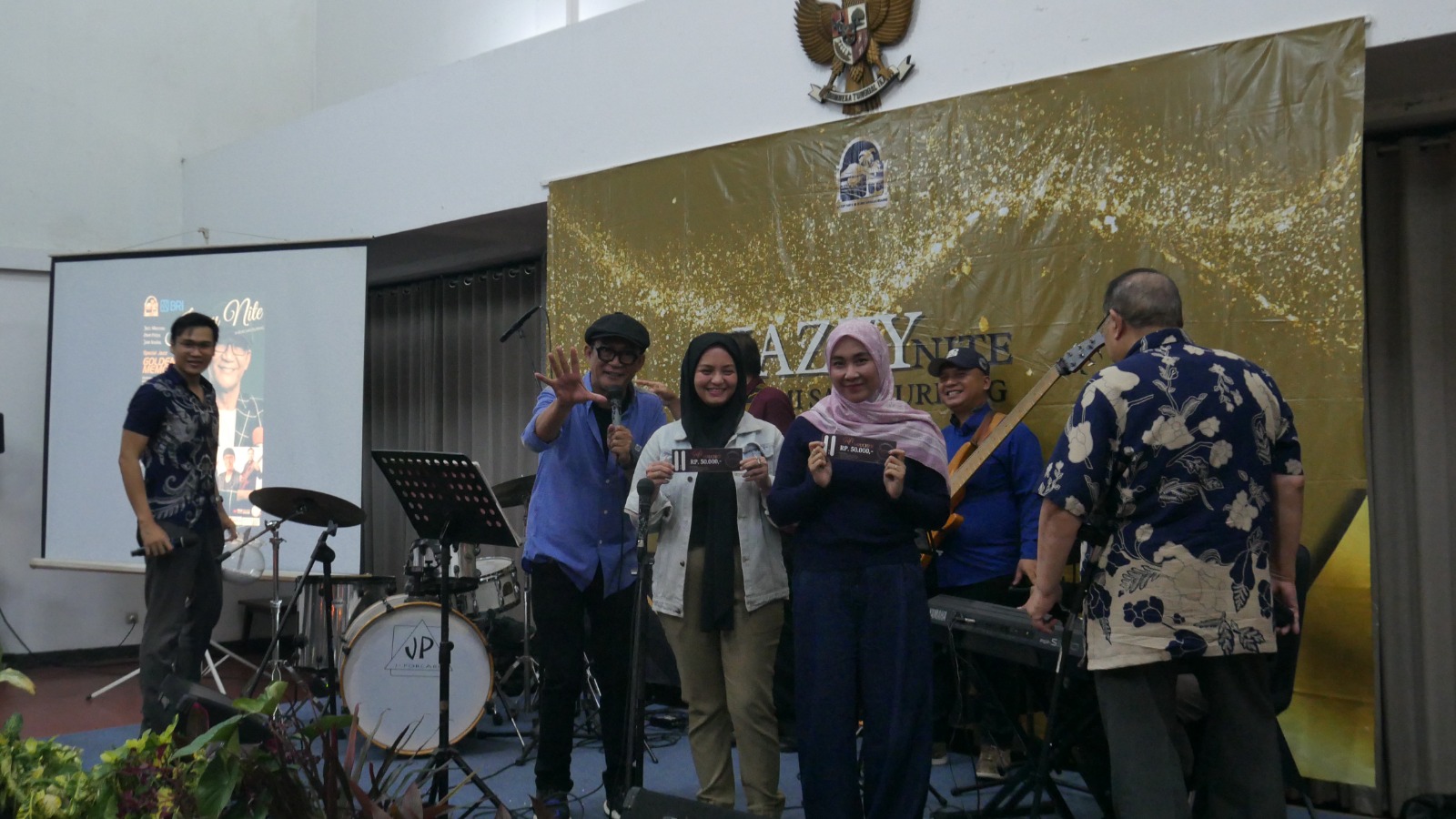
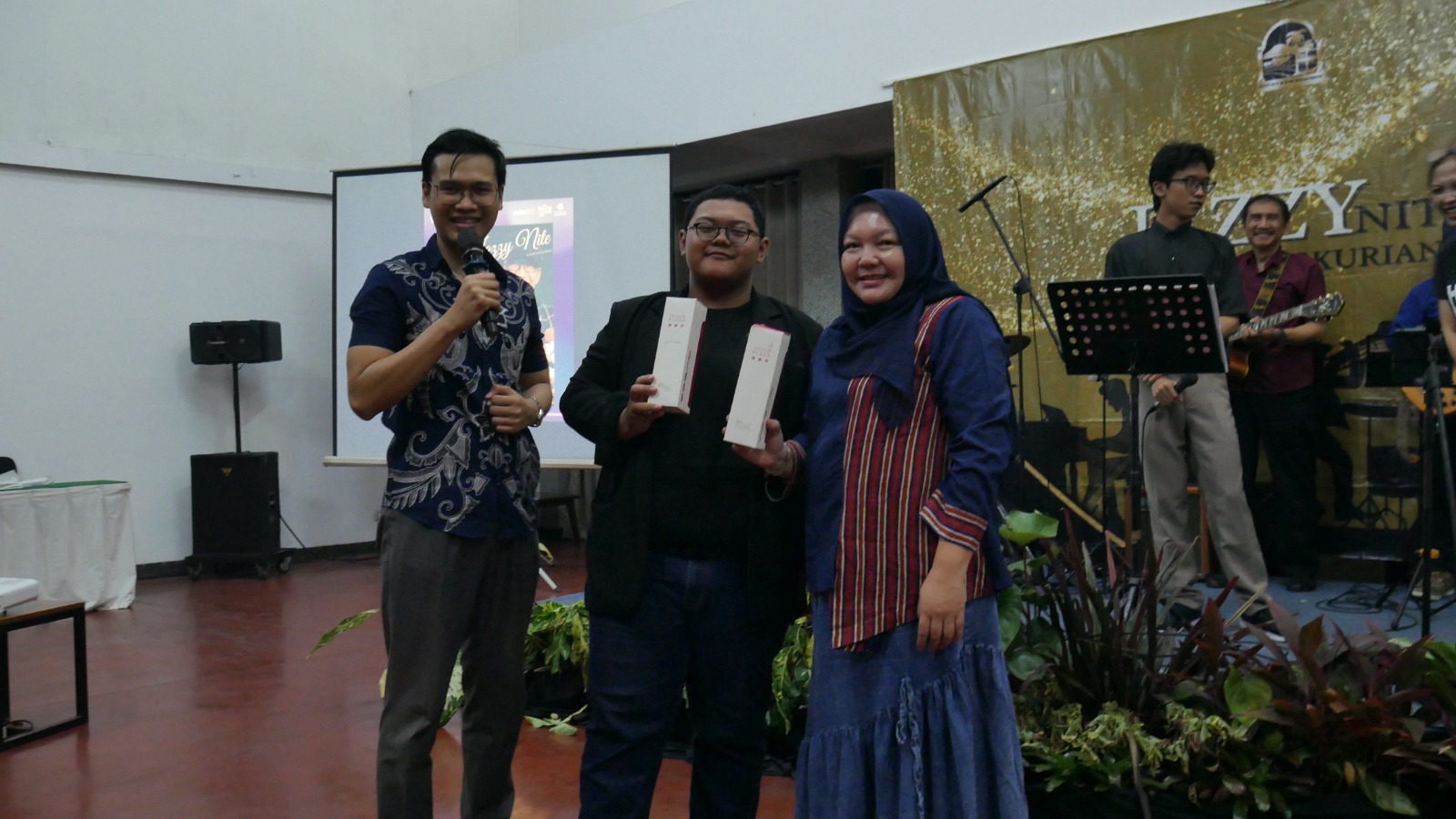
However, recognizing its statutory responsibility as a heritage site to foster sustainable cultural preservation (aligned with UURI No. 5 of 2017 regarding the advancement of culture), Bumi Sangkuriang has aggressively positioned itself as a central node in the modern Bandung jazz network. The venue explicitly markets the event with a variety-show concept encompassing door prizes, ensuring that the high-level musical artistry remains accessible and entertaining to the general public. The contemporary survival and future growth of jazz in Indonesia are intimately tied to the experience economy and destination tourism. Jazz possesses a unique diplomatic aura; it is perceived globally as a unifying force celebrating diversity, freedom, and intellectual sophistication.
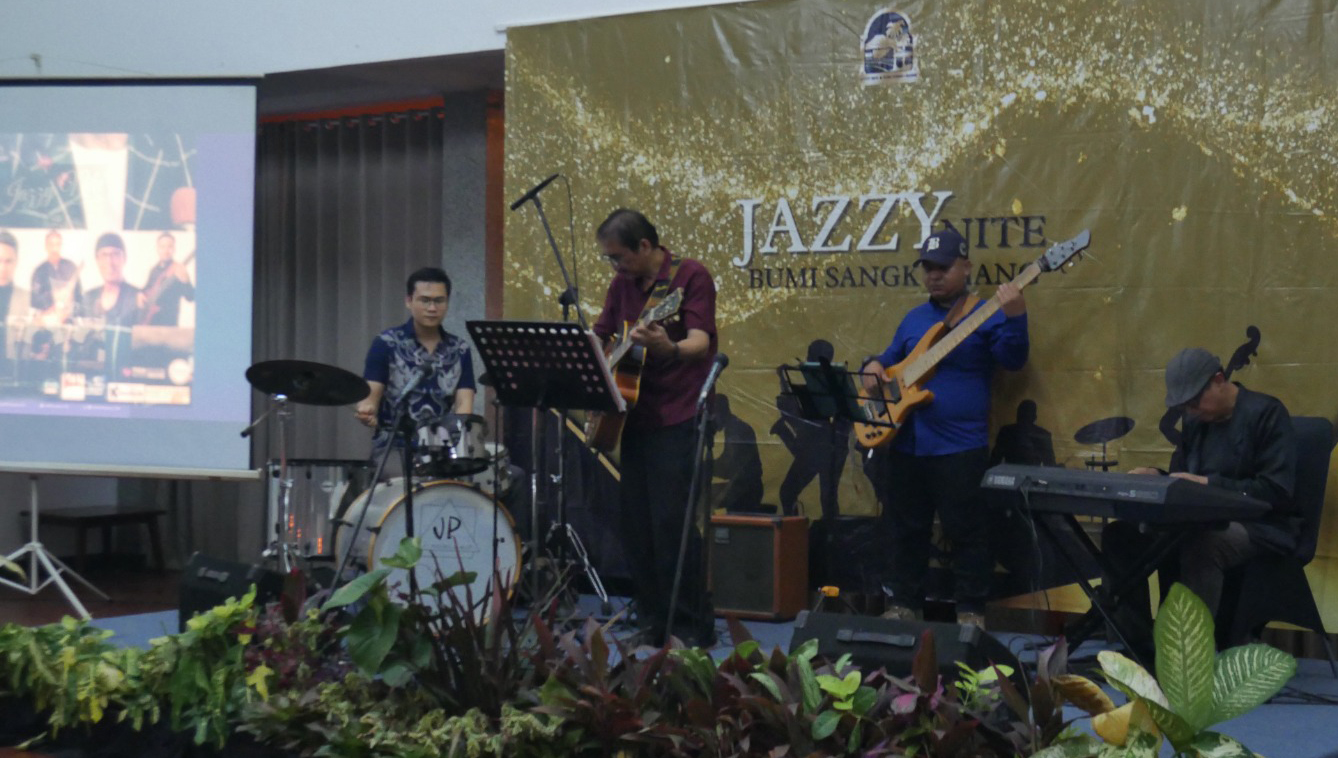
Integrating Golden Memories tunes with Jazz Reinterpretation
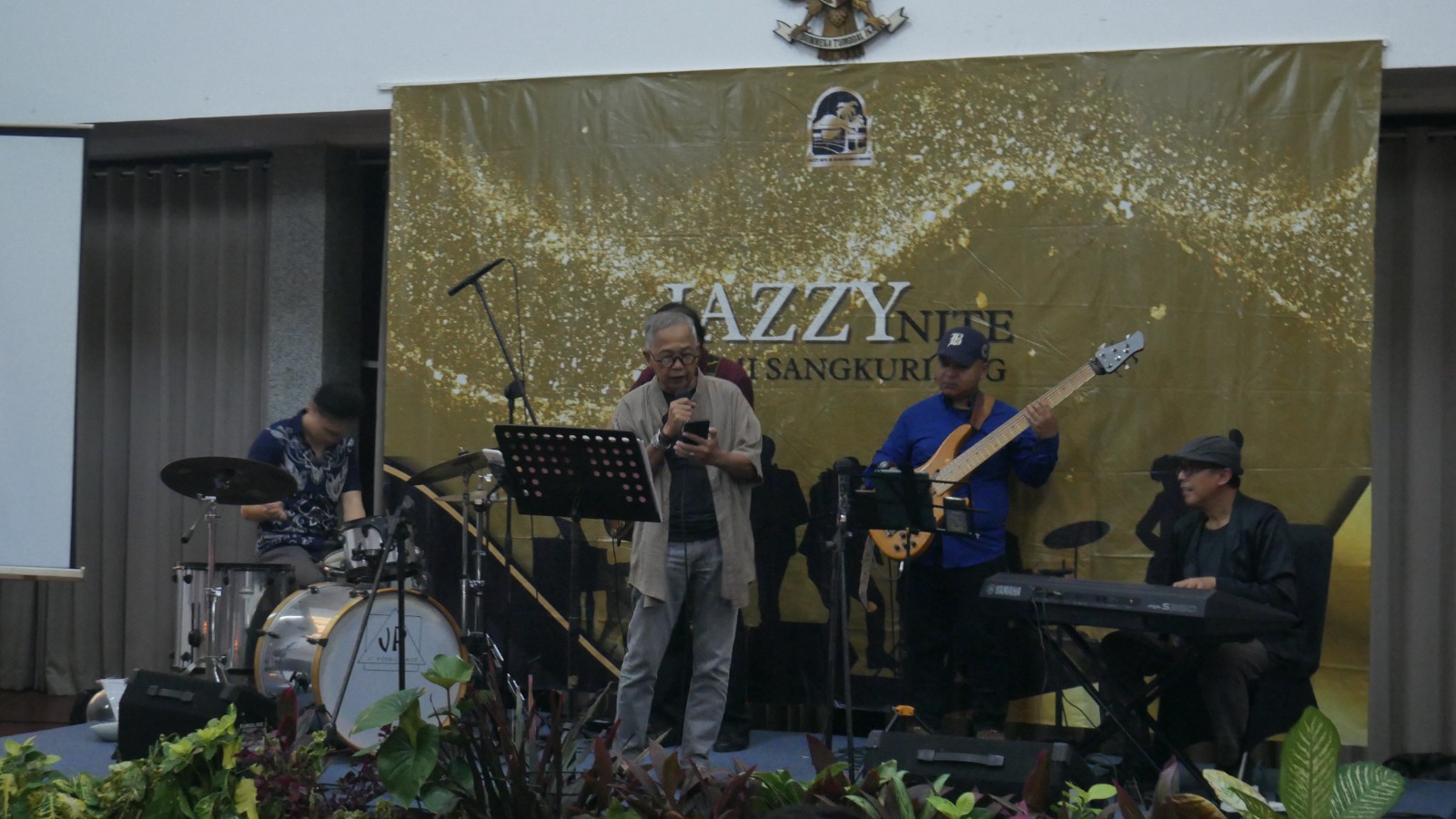
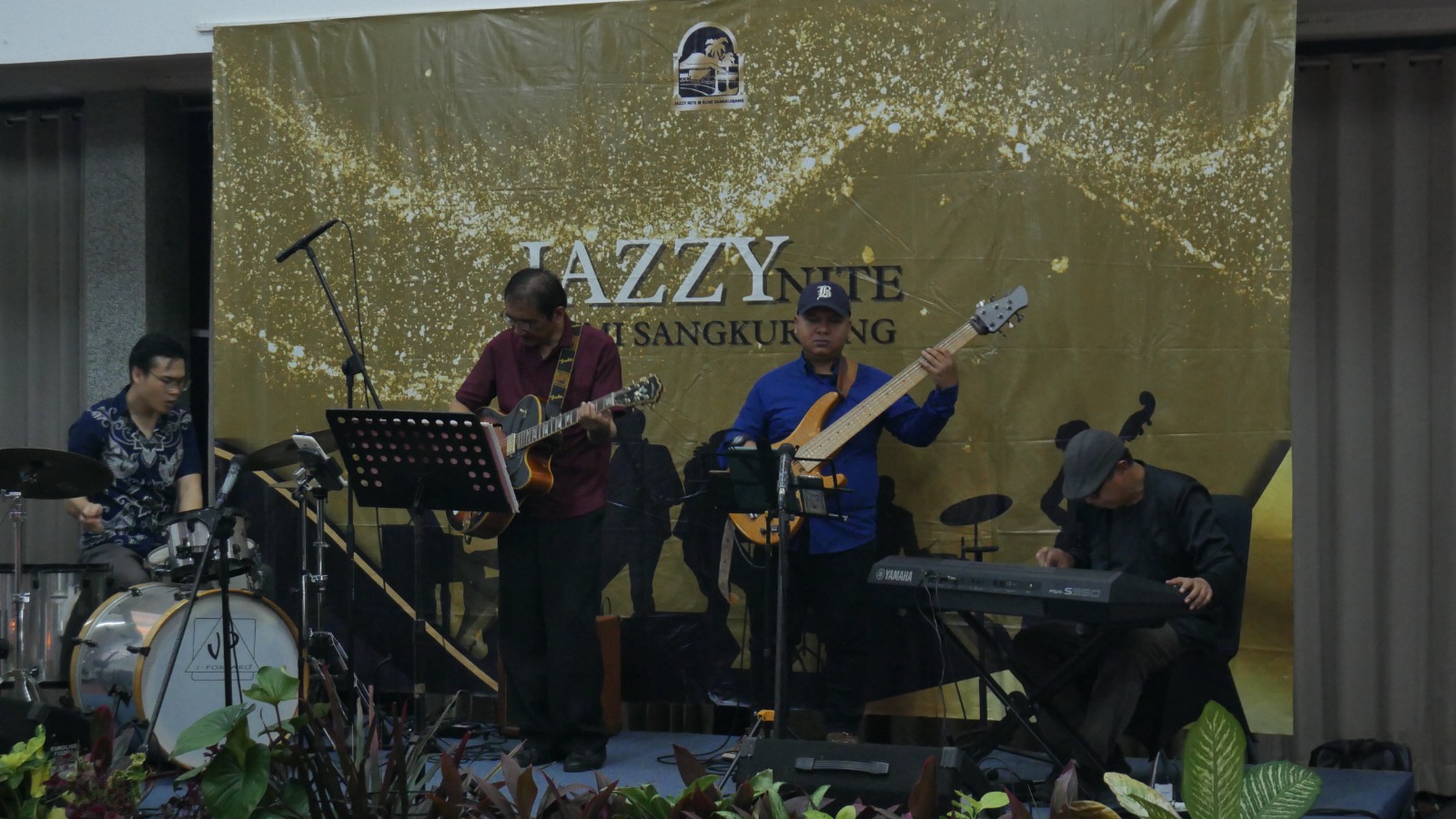
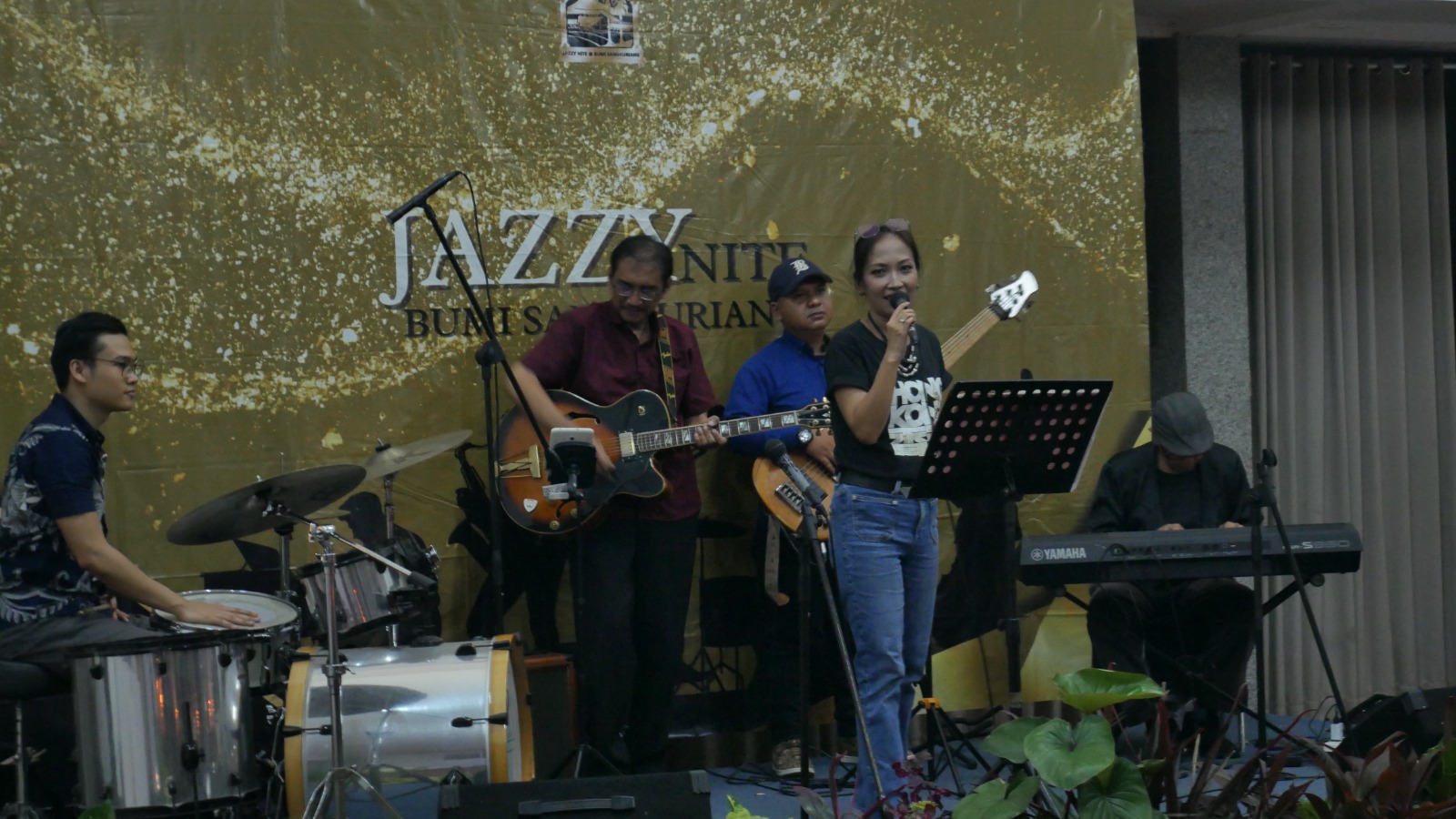
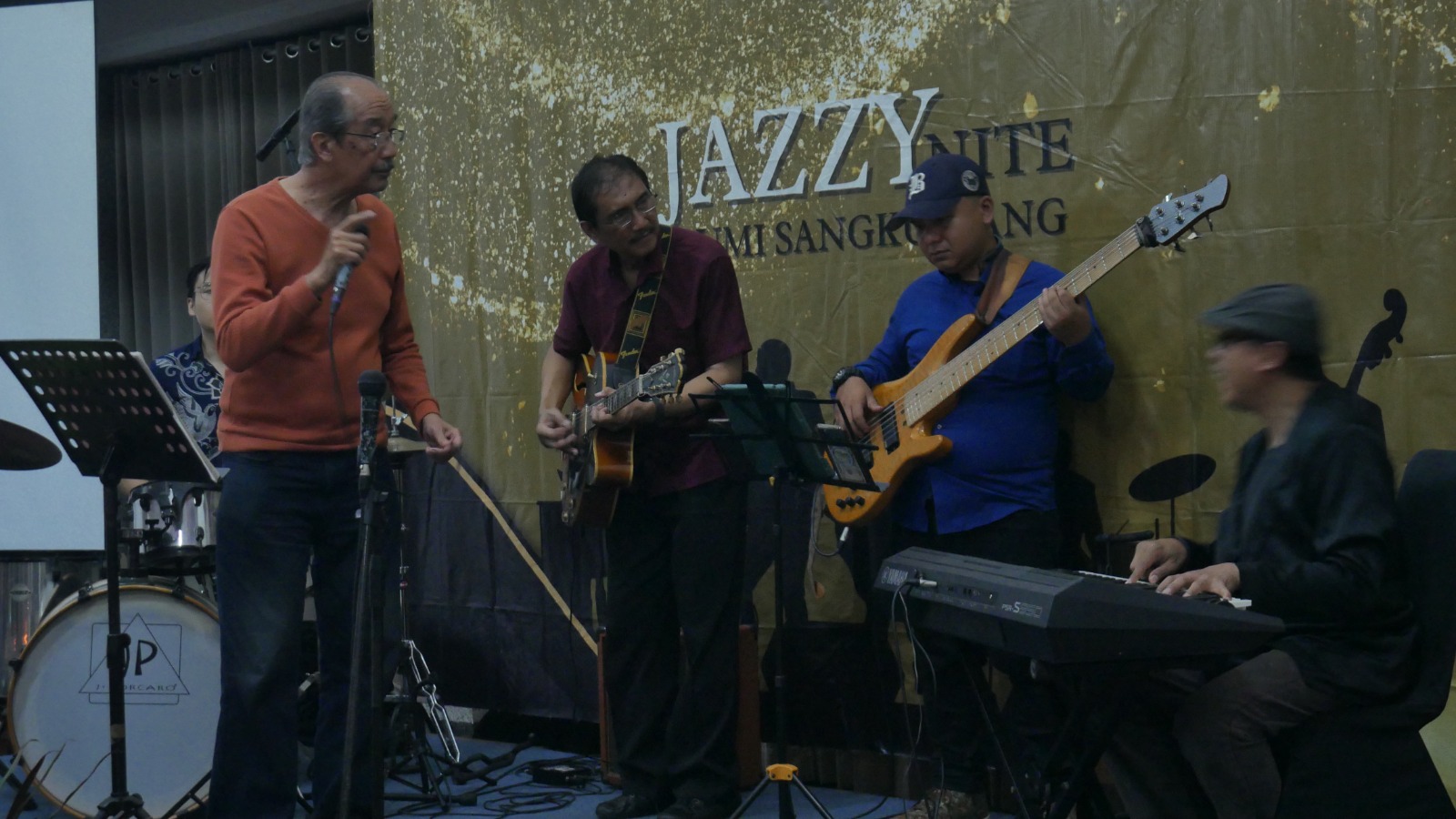
On 21st May 2026, The Art of Jazz which is consisted of Kanggep Kusuma (Guitar), Alman Naufal (Drum), Imam Pras (Piano), and Aries Ardiansyah (Bass) featuring an expert nostalgic jazz vocalist Mr. Othep, reinterpretating “Golden Memories” or Tembang Kenangan with contemporary jazz formats. They presnted Tembang Kenangan which encompasses the immensely popular catalog of Indonesian and Western pop, folk, and romantic ballads produced primarily in jazz manners during the 1970s, 1980s, and 1990s. These tracks feature legendary artists who shaped the emotional landscape of multiple generations that relies heavily on the psychological power of nostalgia. The songs recount universal themes of first loves, youthful endeavors, romantic heartbreak, and the bittersweet passage of time. The enduring popularity of this era is staggering, evidenced by the massive digital footprint these tracks maintain today, in which nostalgia acts as an emotional anchor, providing a sense of safety, familiarity, and warmth for the listener.
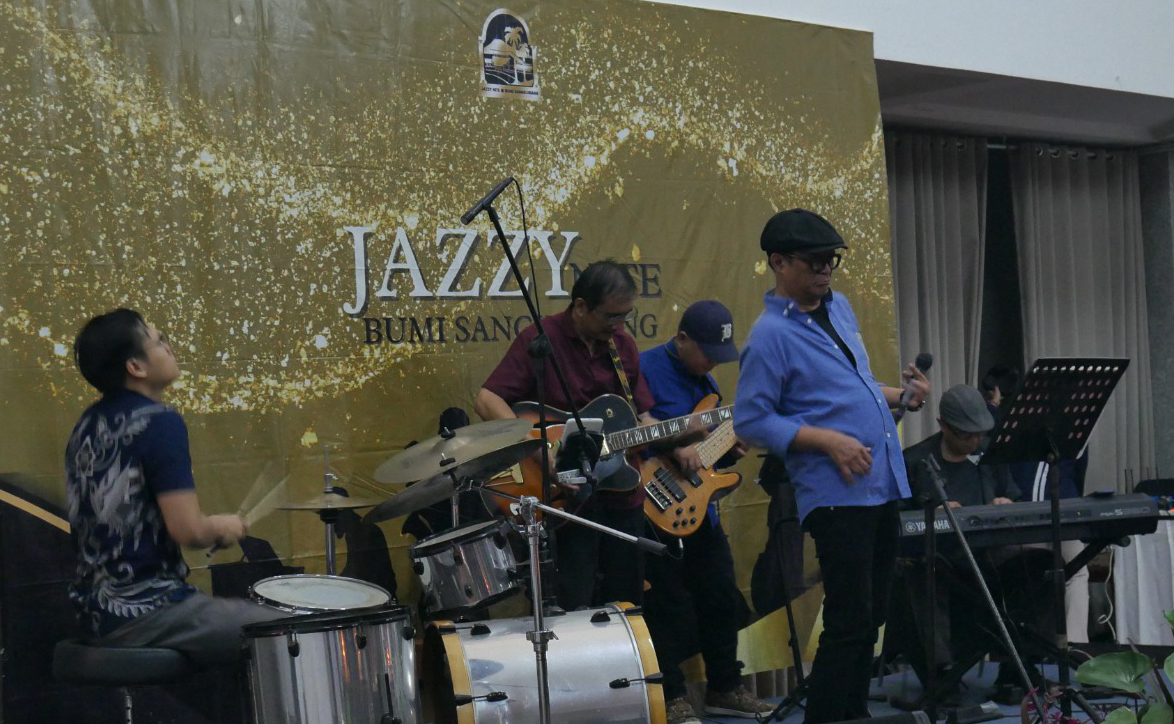
Subsequently, the band adapted Tembang Kenangan tunes, by engaging in a highly sophisticated process of musical translation and psychological marketing. The foundational melodies and the original lyrics (which are already deeply embedded in the national cultural consciousness) are strictly retained. However, the underlying harmonic structures are completely overhauled. Simple diatonic chord progressions are replaced with extended jazz harmonies (e.g., major 7ths, dominant 9ths, altered 13ths, tritone substitutions), while straightforward pop beats are substituted with complex bossa nova grooves, swing feels, or smooth jazz syncopations.
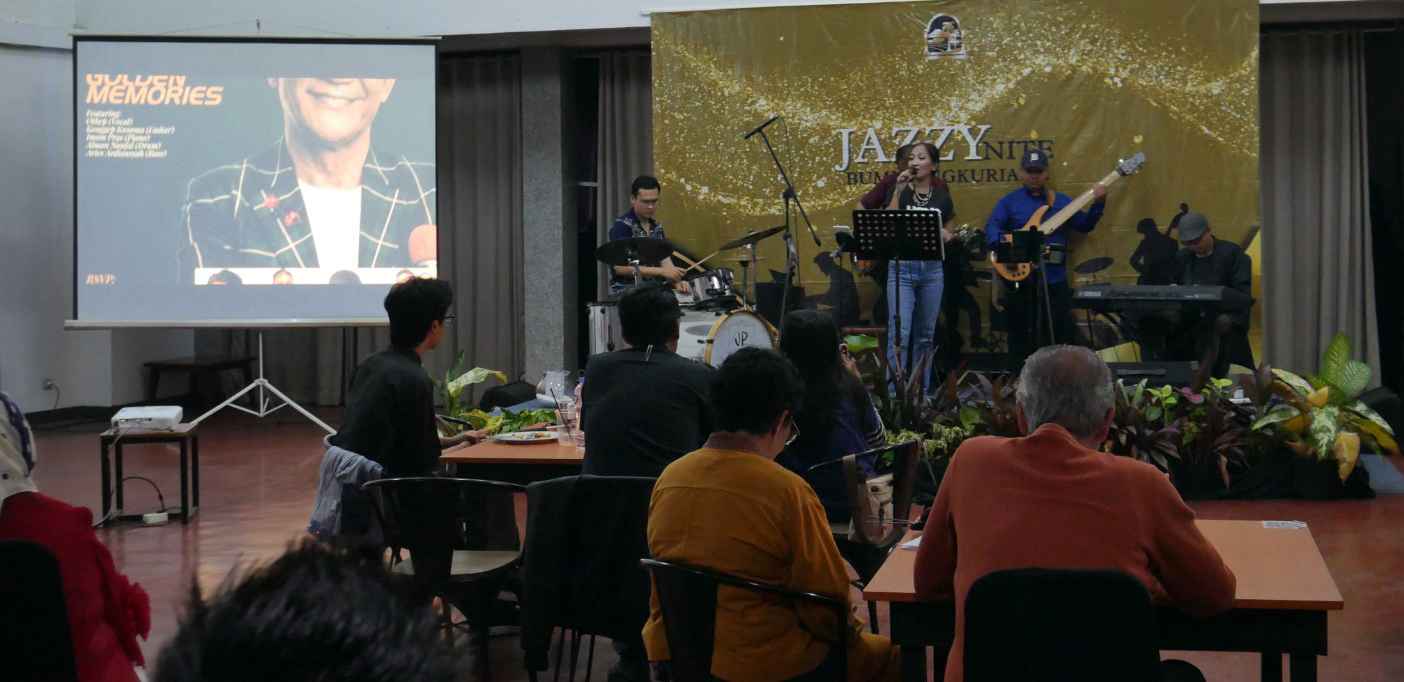
This synthesis produces highly strategic outcomes for the growth of jazz. The Tembang Kenangan melody acts as a comforting auditory anchor while the jazz instrumentation gently introduces them to a new, sophisticated sonic palette. The reinterpretation of Golden Memories also fundamentally bridges the demographic gap. It unites older audiences who lived through the original releases with younger audiences (often the musicians themselves or university students) who appreciate the immense technical musicality and modern production of the jazz arrangement.
The Vanguard of the Bandung Jazz Ecosystem: The Scholar-Artist Paradigm
The resilience, technical proficiency, and administrative evolution of the Bandung jazz scene are largely attributable to a unique sociological phenomenon: the prevalence of the “scholar-artist.” Unlike previous generations of musicians who relied solely on informal, street-level transmission of knowledge and instinctual playing, the contemporary vanguard of Indonesian jazz is heavily characterized by individuals holding advanced, highly specialized academic degrees. These musicians apply the analytical rigor, pedagogical frameworks, structural logic, and data-driven methodologies of academia directly to their musical craft and the administration of the industry. The profiles of Alman Naufal, Kanggep A. Kusuma, Aries Ardiansyah, and Ir. Imam Pras perfectly exemplify this paradigm.
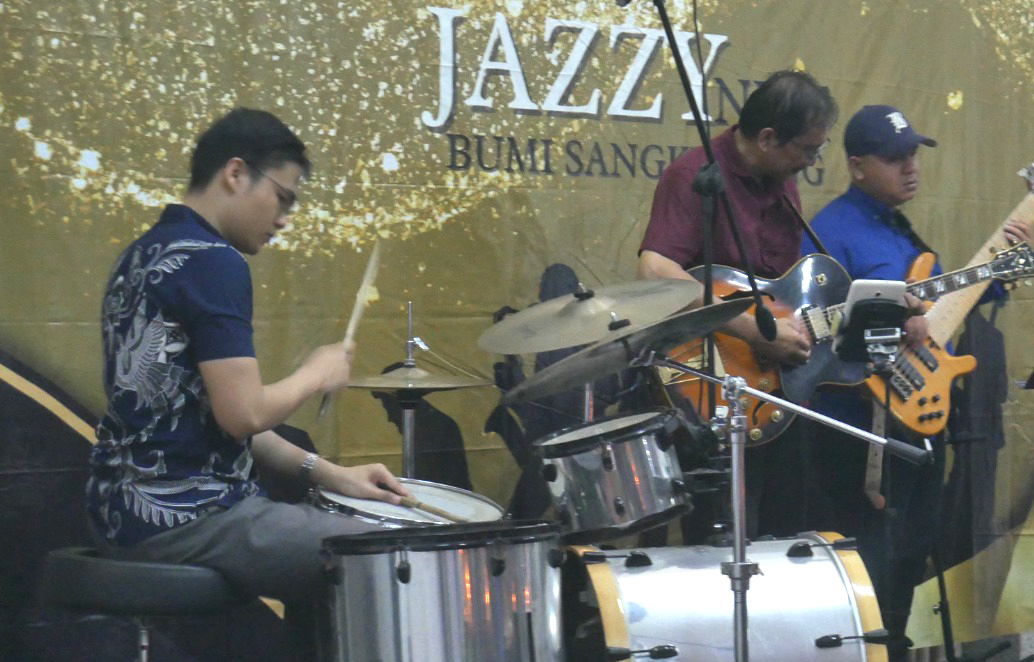
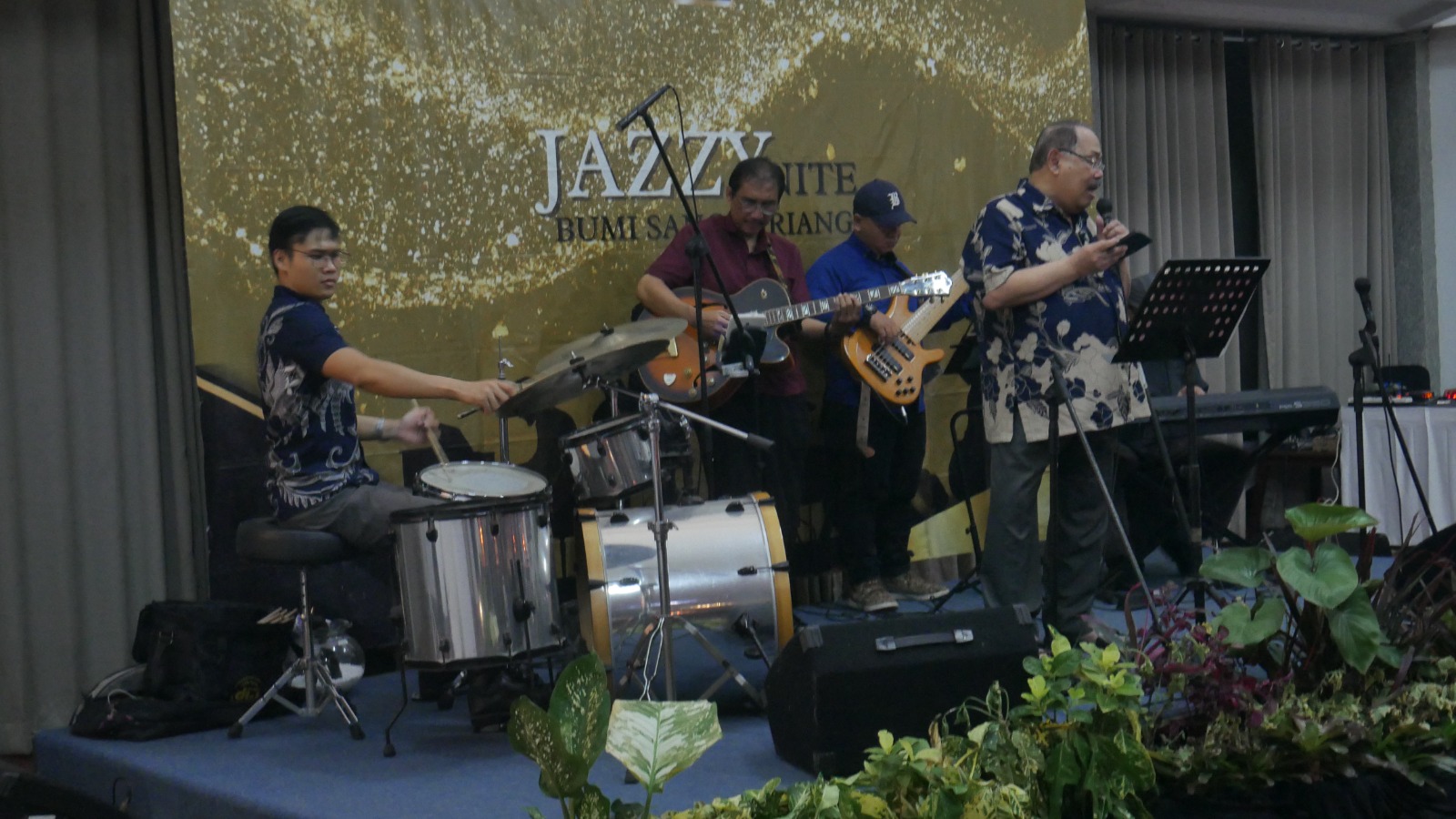
Alman Naufal, M. Pd. represents the ultimate synthesis of performative excellence and rigorous academic inquiry. He provides the rhythmic backbone for the high-level ensembles, with performative presence which is highly visible at historical venues like BP. Bumi Sangkuriang, where he not only plays complex sets but also serves as the articulate host for the “Bumi Sangkuriang Jazzy Night” program. His drum solo is also otherworldly magnificent, he creates one-of-a-kind performances by fusing polyrhitmical perception and powerful, rigourous, intense display of jazz craftmanship.
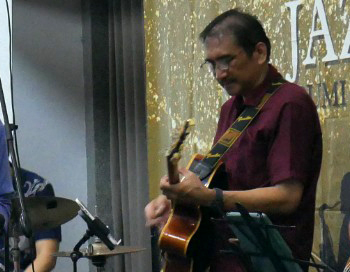
Kanggep Andrijana Kusuma, S. Pd., M. Kom. is a deeply respected veteran in the Bandung jazz scene. As a senior jazz guitarist, he specialized in virtuoso and modern jazz improvisation. His nuanced playing style is characterized by his modern complex harmonic and melodic soloing which provide a seasoned, veteran powerful presence and the high-energy rhythmical perception that also drives younger musicians forward. What truly distinguishes Kanggep within the national landscape is his formidable academic credentialing: he holds a Master of Computer Science (M.Kom.). Operating as a lead researcher alongside Alman Naufal, Kanggep has published extensively on the digitalization of music school administration. The dual identity of a master jazz guitarist and a computer scientist is highly indicative of the profound cognitive overlap between musical improvisation and software architecture. Both disciplines require a deep, intuitive understanding of underlying systemic rules (music theory versus coding syntax) and the ability to innovate rapidly within those strict parameters. Kanggep’s academic efforts to implement IT strategic planning (specifically utilizing complex business frameworks like the Ward and Peppard method and Anita Cassidy’s methodologies) into music academies represent a monumental step in professionalizing the operational backend of the Indonesian music education sector.
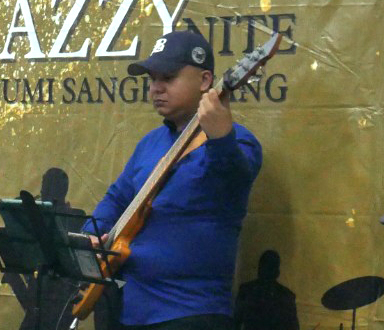
Aries Ardiansyah, M. Sn. operates as a foundational element of The Art of Jazz rhythm section. An incredibly versatile and technically gifted bassist, he is equally adept at navigating the electric bass guitar and the traditional upright contrabass. His performance credits span an impressive array of high-profile ensembles. Aries holds a Magister Seni (M.Sn.), a Master of Arts degree, reflecting a formal, institutionalized mastery of the musical arts. In any jazz rhythm section, the bass serves a critical dual function: it dictates the harmonic movement of the piece while simultaneously locking in the rhythmic groove with the drummer.
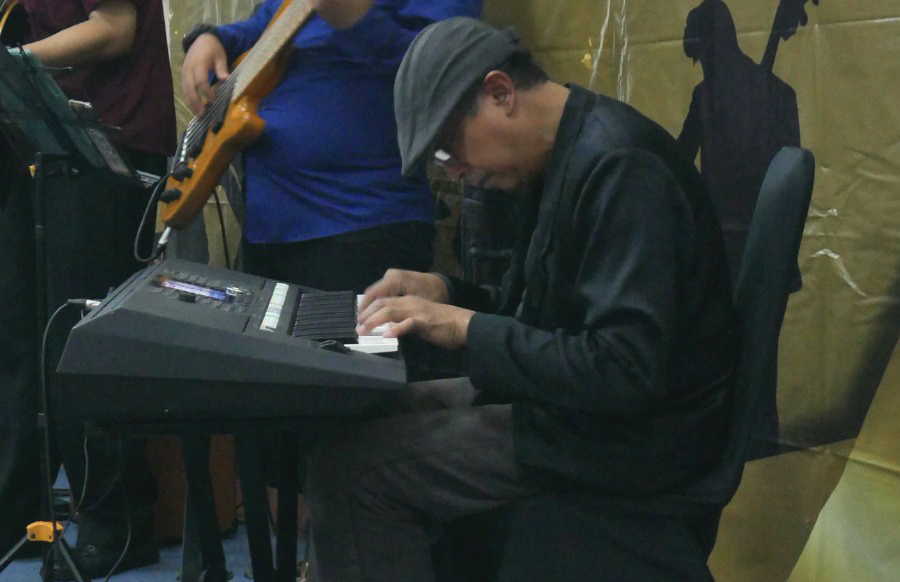
Ir. Imam Pras highlights one of the most fascinating and conceptually dense intersections of jazz discipline and fine art in the Indonesian landscape. As a musician, Imam Pras is a highly respected, veteran jazz pianist, composer, and educator. Not only, Imam Pras is a mentor for numerous talented and high-level artist, his performance and artistry in jazz improvisation and composition-arranging are also in the highest degree. His performance is simply incredible, he mixed his virtuoso in jazz improvisation with electric piano affordances which created an elevated experience in musical exploration.
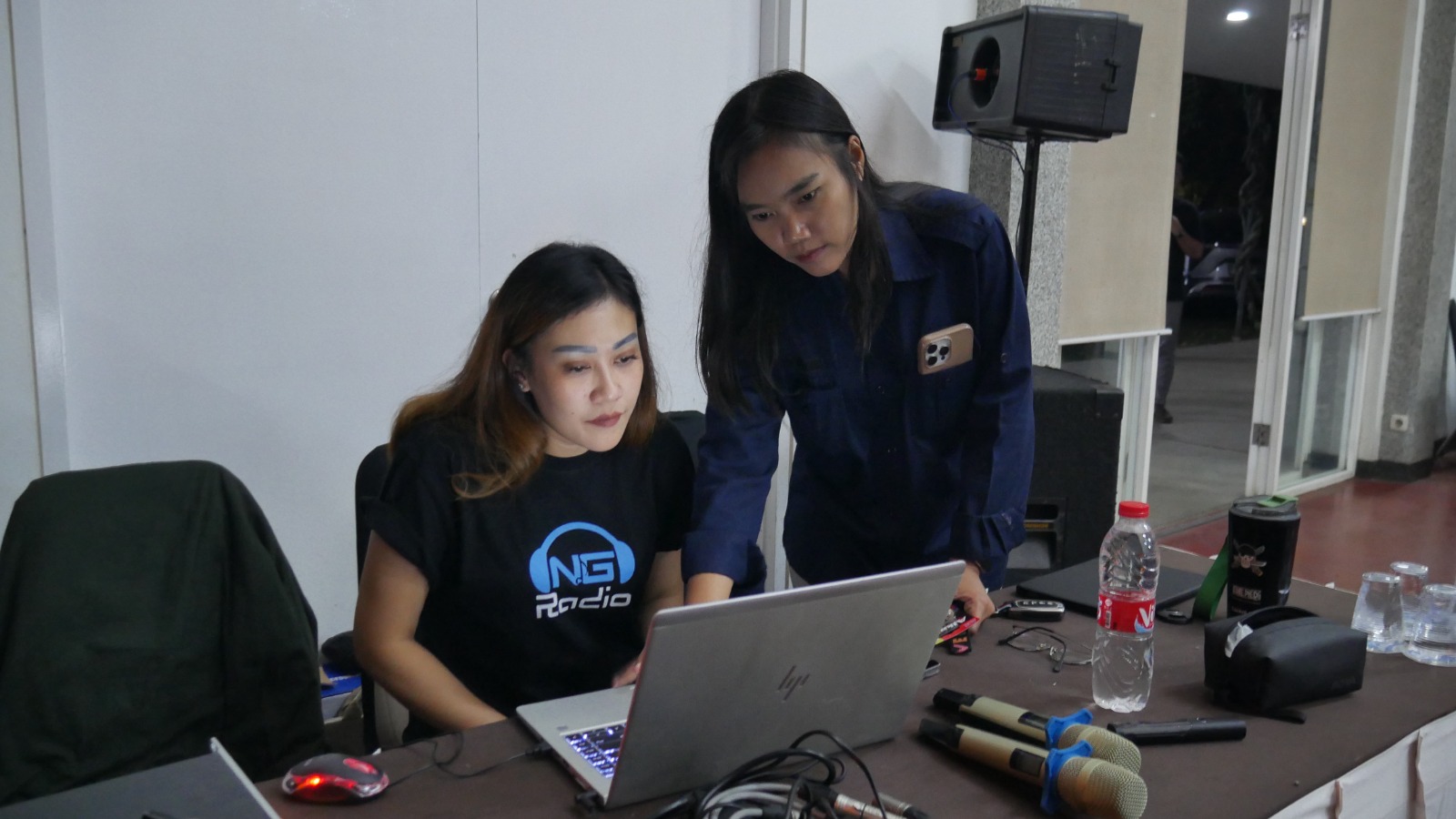
Radio as Cultural Mediator: NG Radio’s Role in Reviving Jazz Memories
The program Special Jazz Golden Memories emerged as more than a nostalgic broadcast it became a living archive of jazz culture, shaped significantly by the dynamic involvement of NG Radio’s broadcasters: Iiky, Zein, Upe, Ayay, and Qmonk. Their presence did not merely guide the program; it elevated its documentary value, transforming it into an interactive cultural experience.
Through their engaging on-air approach, the broadcasters bridged the gap between listeners and artists. Rather than positioning jazz as a distant or exclusive genre, they cultivated immediacy and intimacy. Live conversations with performers allowed audiences to hear directly from the artists themselves, revealing the stories, inspirations, and creative processes behind each performance. These exchanges turned the program into a space of dialogue rather than a one-way broadcast.
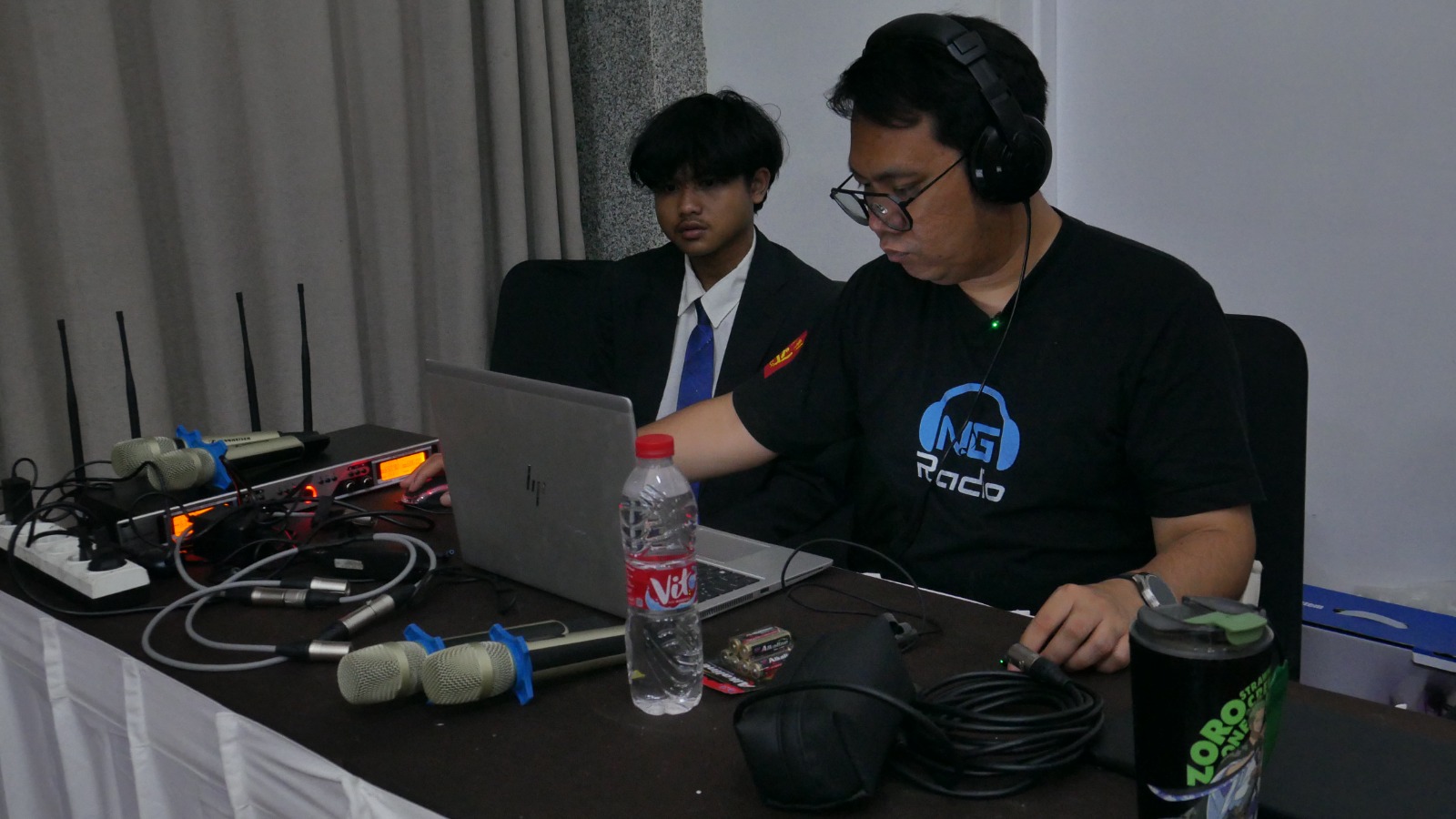
This approach reflects a broader shift in modern jazz culture. Radio now intertwined with digital media has evolved beyond its traditional role as a platform for music dissemination. Broadcasters increasingly act as cultural mediators, facilitating meaningful connections between artists and audiences while preserving the narrative depth of the music.
A highlight of the program was the performance by Art of Jazz, a collective featuring Kanggep .Kusuma, on guitar, Alman Naufal, on drums, Imam Pras on piano, and Aries Ardiansyah on bass. Their collaboration brought together technical mastery and expressive interpretation, embodying the spirit of contemporary jazz rooted in tradition.
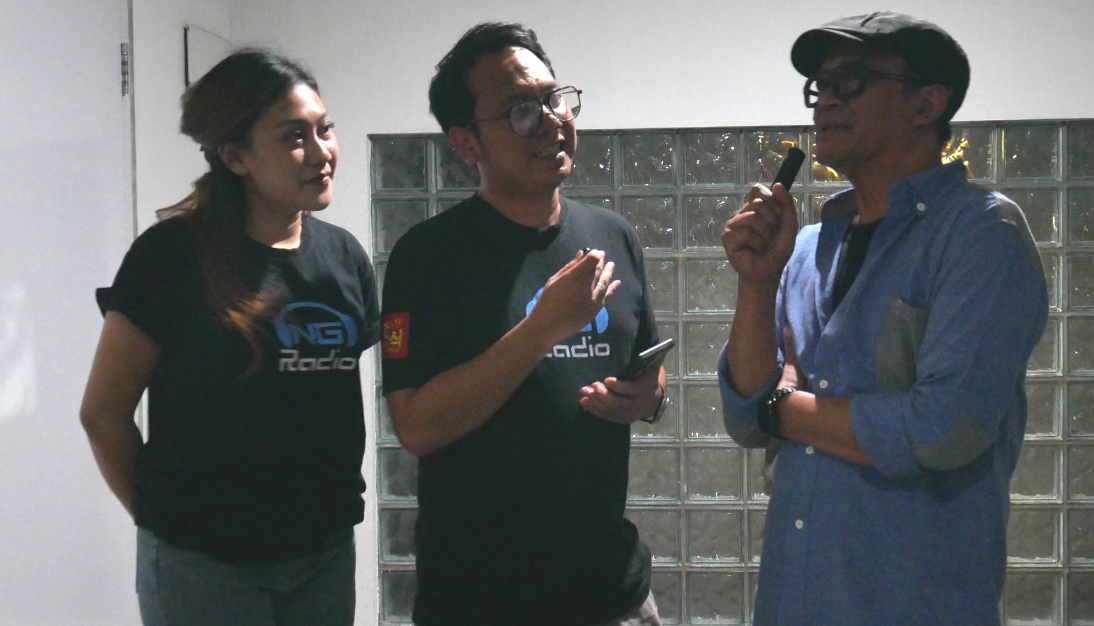
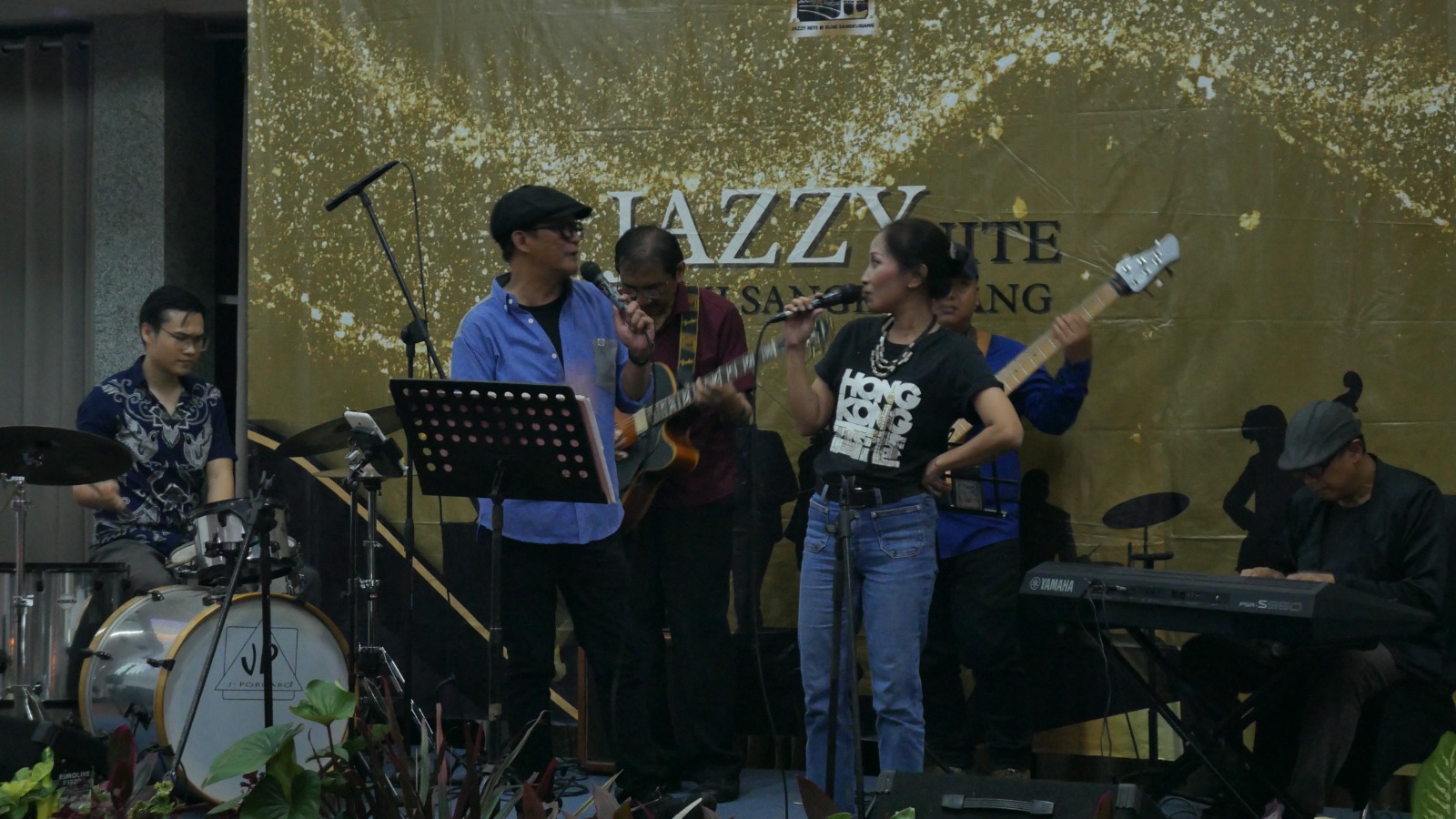
The ensemble was further enriched by the presence of nostalgic jazz vocalist Mr. Othep, whose performance added emotional depth and historical resonance. His voice carried echoes of classic jazz eras, seamlessly blending with the modern sensibilities of the band.
Together, the synergy between NG Radio’s broadcasters and the musicians created a multidimensional experience one that preserved jazz heritage while making it accessible to new audiences. In this way, Special Jazz Golden Memories stands as a testament to how radio, when creatively utilized, continues to play a vital role in sustaining and evolving musical culture.
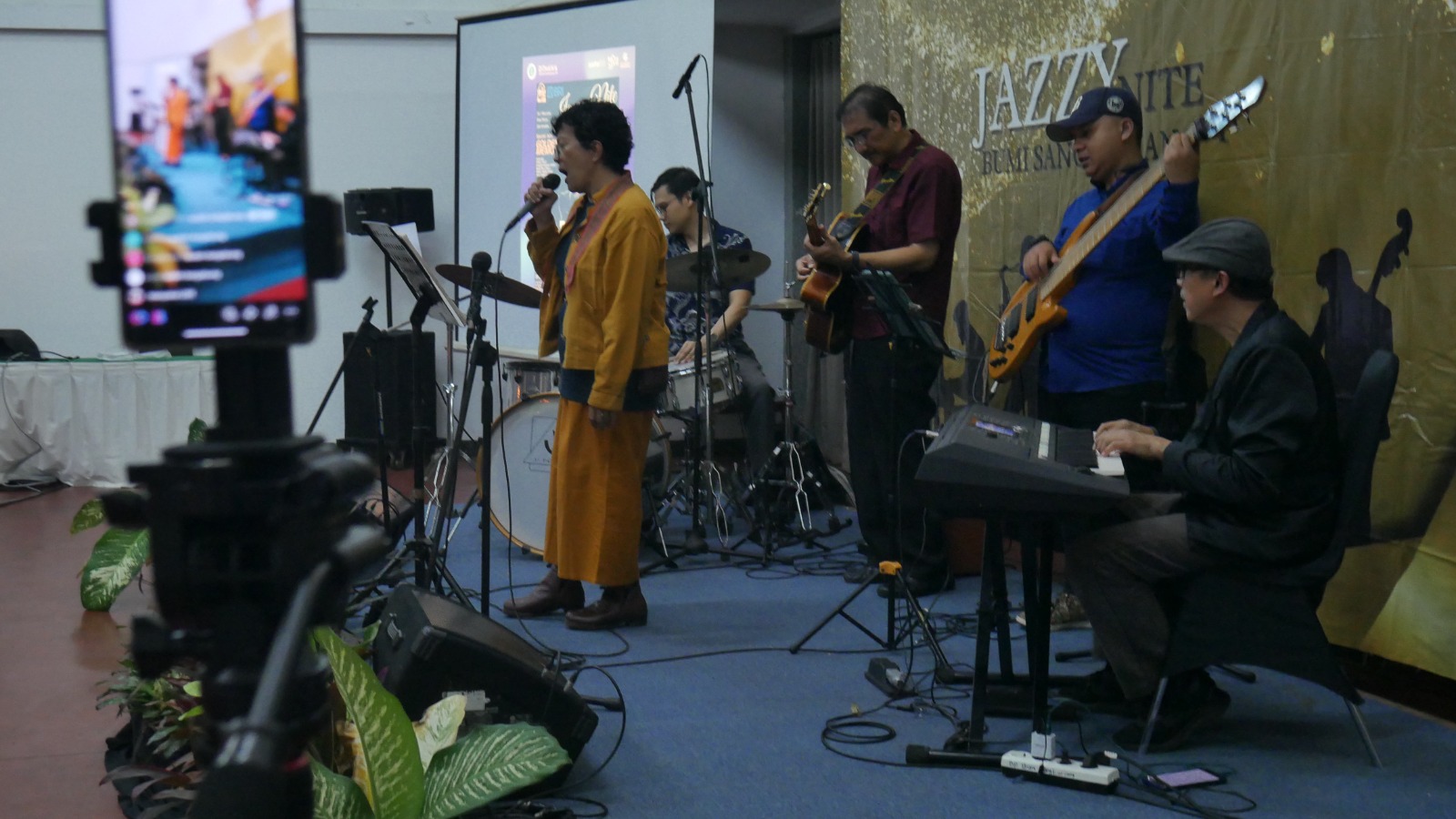
Jazz Vocal Open-mic and Concluding Remarks
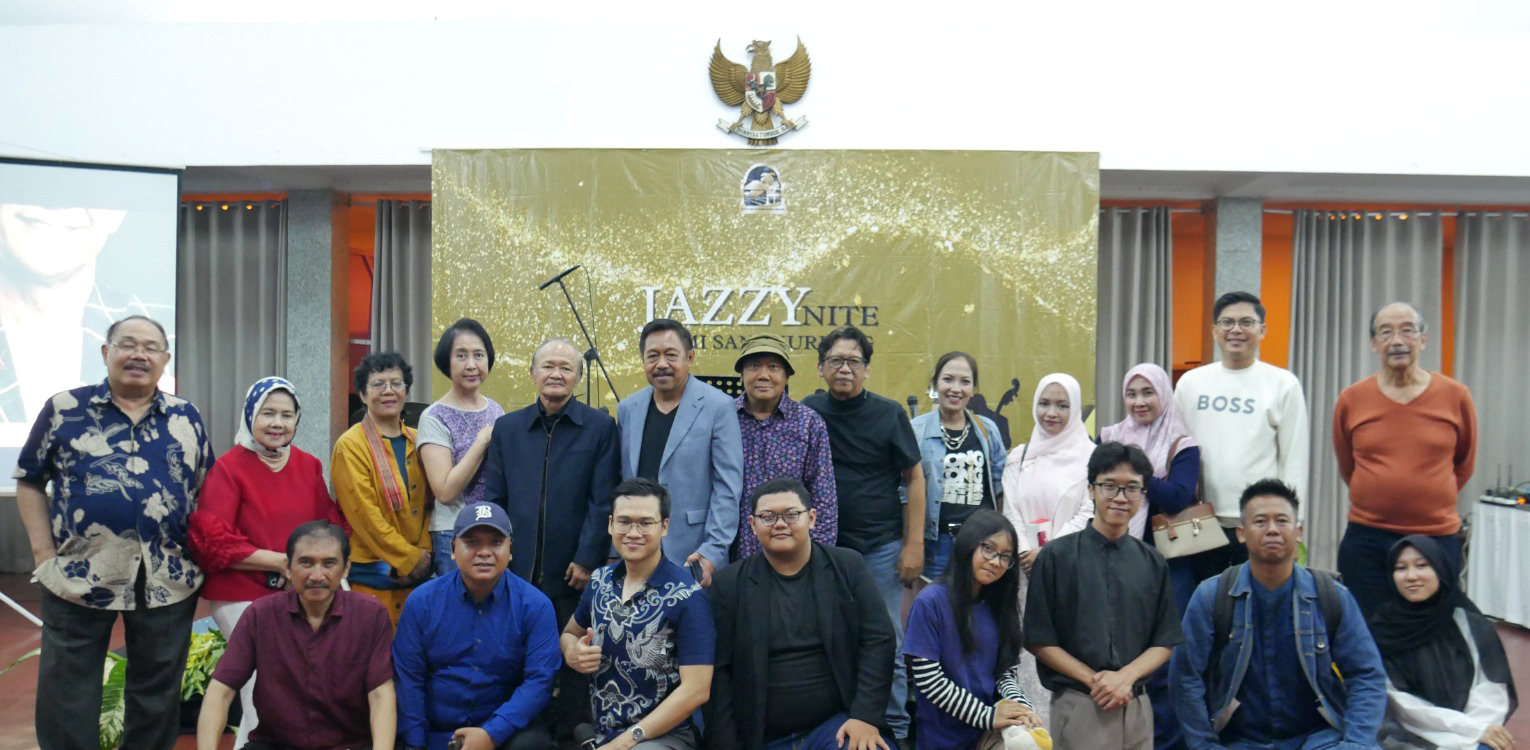
BP. Bumi Sangkuriang possesses immense historical capital, that the music was brought with physical spaces and cultural contexts where the audience already feels a pre-existing sense of comfort and ownership. It is not merely as concerts, but as immersive, time-traveling cultural experiences. The “Bumi Sangkuriang Jazzy Night” model has successfully blended variety show concepts, interactive door prizes, and high-level performances.
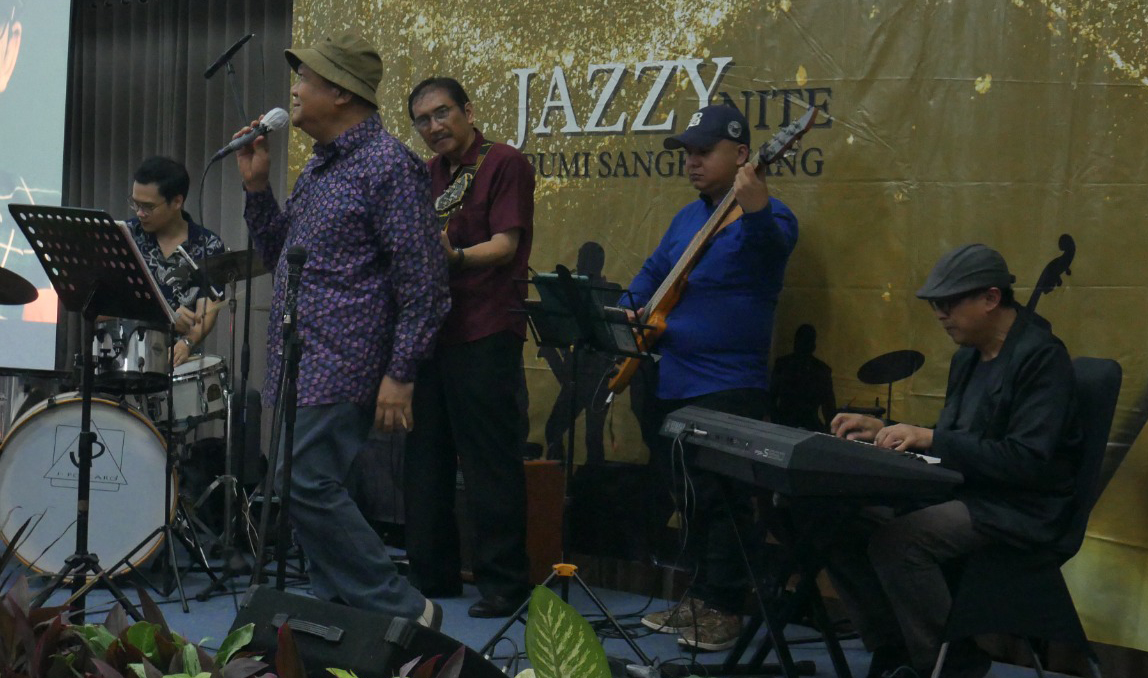
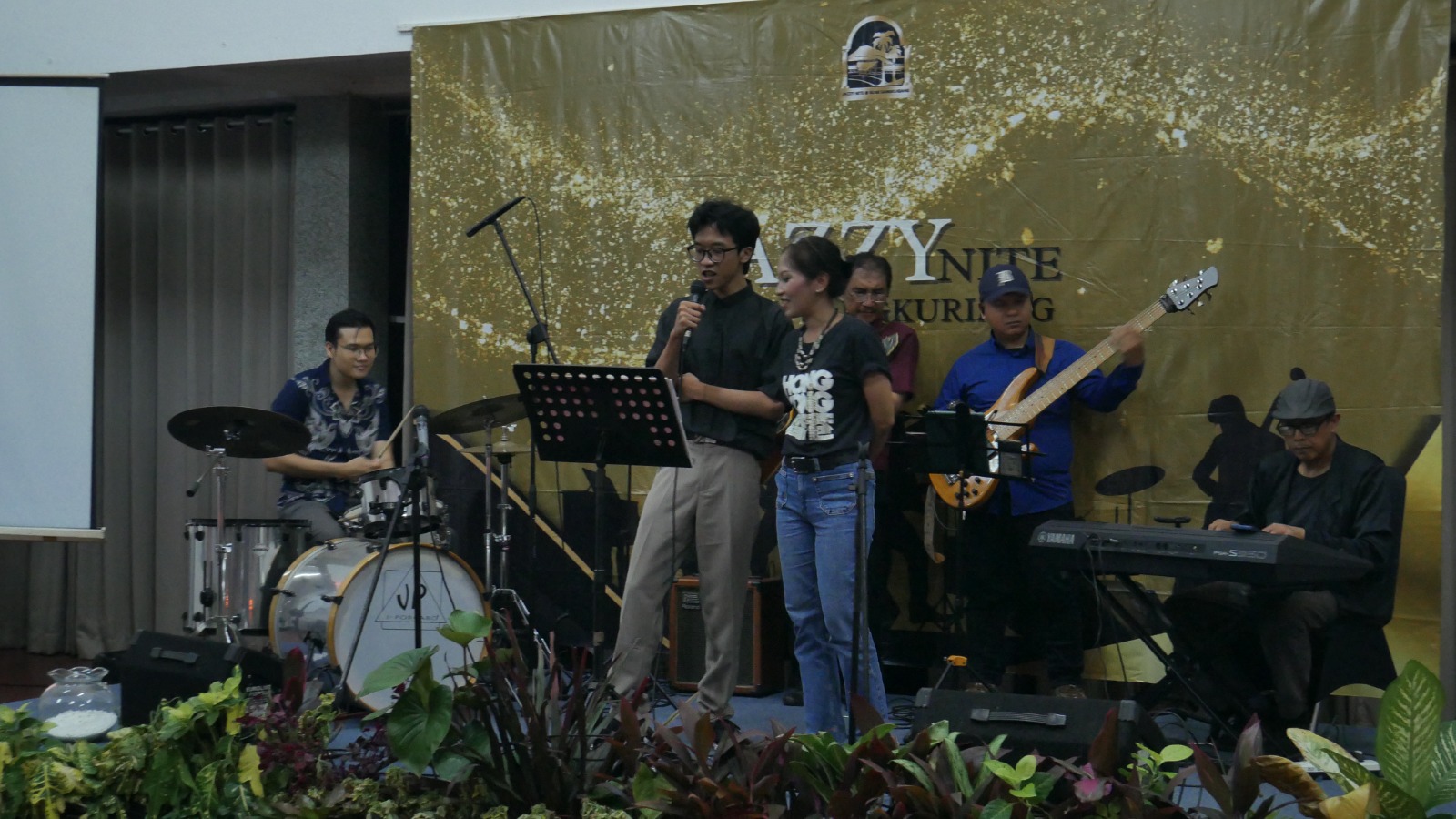
The “Special Jazz Golden Memories” interacts with its spectators by building a psychological bridge between the deeply familiar and the musically novel. Musicians can instantly capture the older demographic driven by pure nostalgia, while simultaneously exposing younger listeners to sophisticated harmonic structures through melodies they subconsciously recognize from their childhood homes. We have witnessed plenty of interaction that is remarked by the participation of vocalists in the open-mic session; Ar. Ir. Baskoro Tedjo, MSEB., PhD., IAI., AA, Katherina Achmad, M. Si., Mrs. Fika, Mr. Benny, and many others have participated and sing songs on the stage. They brought various charm into the stage and interactively engage not only with the home band, but also with excited audiences.
Ultimately, the Indonesian jazz ecosystem, particularly when viewed through the highly concentrated lens of the Bandung community, stands as a profound testament to the genre’s incredible elasticity, cultural adaptability, and intellectual depth. BP. Bumi Sangkuriang operates as the physical manifestation of this resilience, providing a historic space where the post-colonial architectural perfectly houses the musical innovation of jazz improvisation. By strategically utilizing the deep emotional resonance of “Golden Memories” (Tembang Kenangan), the genre successfully bridges wide generational divides, proving exceptionally that complex, advanced harmony can be highly accessible to the masses when it is paired with the comforting anchor of cultural nostalgia.
Moreover, the long-term professionalization and administrative modernization of the ecosystem are definitively secured by a vanguard of uniquely qualified musician-academics. The collective, interdisciplinary efforts of Alman Naufal, M.Pd., Kanggep A. Kusuma, M.Kom., Aries Ardiansyah, M.Sn., and Ir. Imam Pras demonstrate that the future of jazz relies not just on musical talent, but heavily on interdisciplinary mastery; seamlessly blending computer science algorithms, formal educational pedagogy, fine arts theory, and engineering systems with the visceral elements of swing and syncopation. Moving forward, the trajectory of Indonesian jazz will be defined by its proactive ability to innovate administratively, effectively document its sonic footprint to capture regional pride, and dominate the digital audio-visual space. By implementing strategic IT frameworks in music education, leveraging heritage spaces for immersive tourism experiences, and aggressively producing high-quality edutainment content, the Indonesian jazz community will ensure that the music not only honors its rich, multi-layered historical legacy but continues to grow, mutate, and thrive as a dominant cultural force for generations to come.\