

Cultural heritage will always bring historical baggage throughout its existence. While organizing jazz event in such well-established venue indicates everlasting aesthetic (elegance, historical, and monumental) impression; jazz improvisation that is evergrowing, dynamic and spontaneous profoundly transforms the Bumi Sangkuriang, not only to be regarded as an artifact, but also a space to rejuvenate and recreate the conceptual paradigm into the future.
Significantly, the modern paradigm of cultural heritage has shifted away from the traditional conservation model that dominated for years. Traditional models often focused exclusively on preserving the material aspects of a site, such as monuments, building facades, or physical artifacts. While this goal is essential for maintaining historical integrity, such an approach has a fundamental flaw: it frequently overlooks the intangible aspects (practices, traditions, knowledge, and skills) that actually breathe meaning and life into the heritage itself. Consequently, an imbalance often occurs where physical buildings are maintained in pristine condition, yet the cultural practices that should thrive within them die out, creating a monument devoid of meaning. This gives rise to a phenomenon known as “dissociation;” the loss of value in an object or place despite its physical intactness, simply because the social, narrative, or technical context that made it valuable has disappeared.
To overcome this challenge, the fundamental concept of Bumi Sangkuriang Jazzy Nite was born. This strategic approach aims to unify and integrate the tangible (physical buildings) and the intangible (cultural activities). It reflects the understanding that cultural heritage isn’t a lifeless object confined within a museum or a display case; rather, it is a dynamic, living, and continuously evolving cultural system. Within the living heritage framework, a heritage site becomes relevant to the lives of the community both today and in the future. It’s about making heritage meaningful in people’s lives, not just treating it as a subject of research or a tourist attraction. As argued by Smith (2006), heritage is a “multi-layered performance… that commemorates acts of remembrance and memorialization while negotiating and constructing a sense of place, belonging, and understanding in the present.” Meaning, the value of heritage is not merely etched into its material, but is expressed and reproduced through every performance, festival, or even conversation that takes place around the site.
Broadly speaking, this concept challenges the long-held assumption that the value of an artwork or site lies solely in its original materials. It highlights that for some forms of cultural expression (like contemporary art or ephemeral digital media) material preservation without considering context can actually destroy their essential value. The application of the living heritage paradigm and the performative turn becomes highly relevant when a cultural heritage site like the Balai Pertemuan (BP.) Bumi Sangkuriang is utilized for jazz music events. This is not merely a branding exercise or an attempt to curate a classy audience experience; it is a direct manifestation of the living heritage philosophy. By inviting a new cultural activity, such as jazz music into the building, BP. Bumi Sangkuriang is liberated from its status as a passive “historical monument.” It is allowed to function once again as an active, dynamic public space that holds relevance in contemporary life.
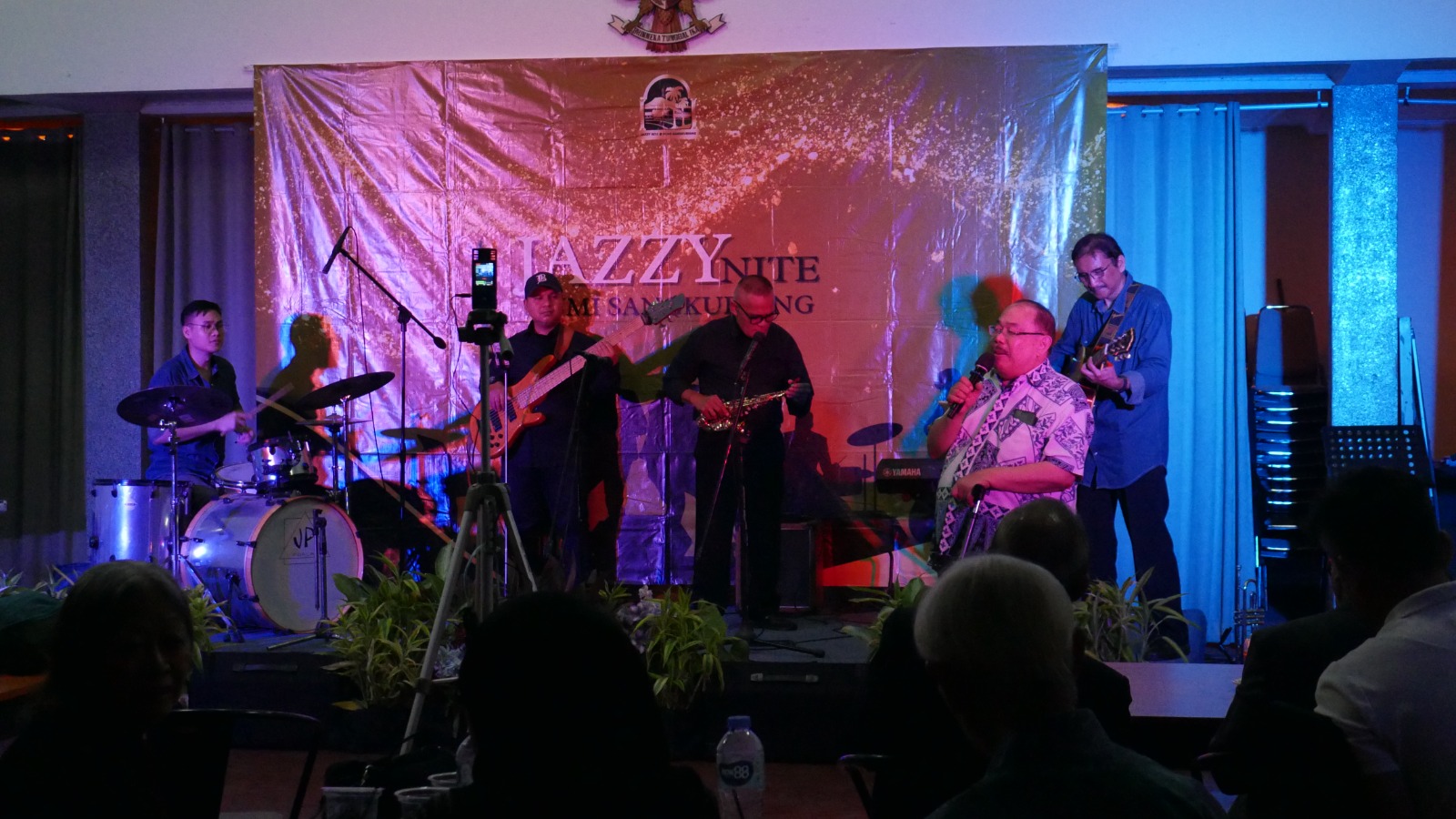
Thus, this can be categorized as a conscious and strategic “revitalization” effort. A building once used for colonial elite gatherings or state diplomacy has now also become a home for the local and international jazz community. This process effectively bridges the gap between the tangible (the architecture of Bumi Sangkuriang) and the intangible (the jazz tradition); a disconnect that often plagues heritage site management. The building, therefore, is no longer viewed merely as an object to be observed, but as a partner in an ongoing cultural dialogue. This represents a shift from a reactive conservation model (which only responds to threats of physical decay) to a creative one (which proactively generates new value and relevance).
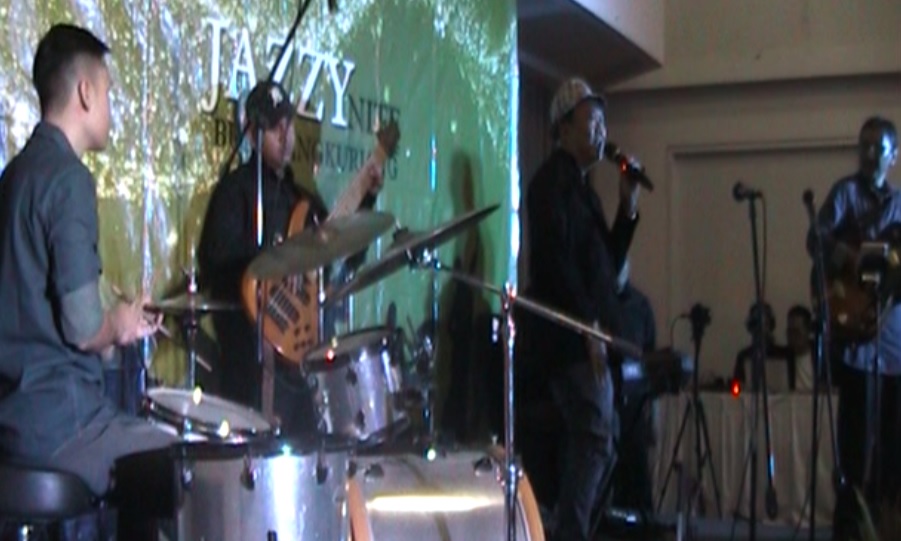
The Latest Developments in the Synergy of Aesthetics and Jazz Culture
The timeless and elegant nature of heritage architecture paired with the dynamic, spontaneous energy of jazz improvisation symbolizes the complementary nature of permanence and structure alongside flexibility and spontaneous creation. Consequently, when both are brought together in a space like BP. Bumi Sangkuriang, they forge a powerful synergy where each enriches and amplifies the other’s aesthetic value. This synergy manifests through three main pillars: the atmosphere and backdrop provided by the architecture, the role of jazz as an activator and life source, and the creation of a dynamic authenticity. First, the architecture of Bumi Sangkuriang acts as a “canvas” or “backdrop” that enriches the jazz listening experience with its distinct aesthetics and profound historical legacy. Within its special and tranquil ambiance, events like “JAZZY NITE” are designed to evoke an elegant and sophisticated space.
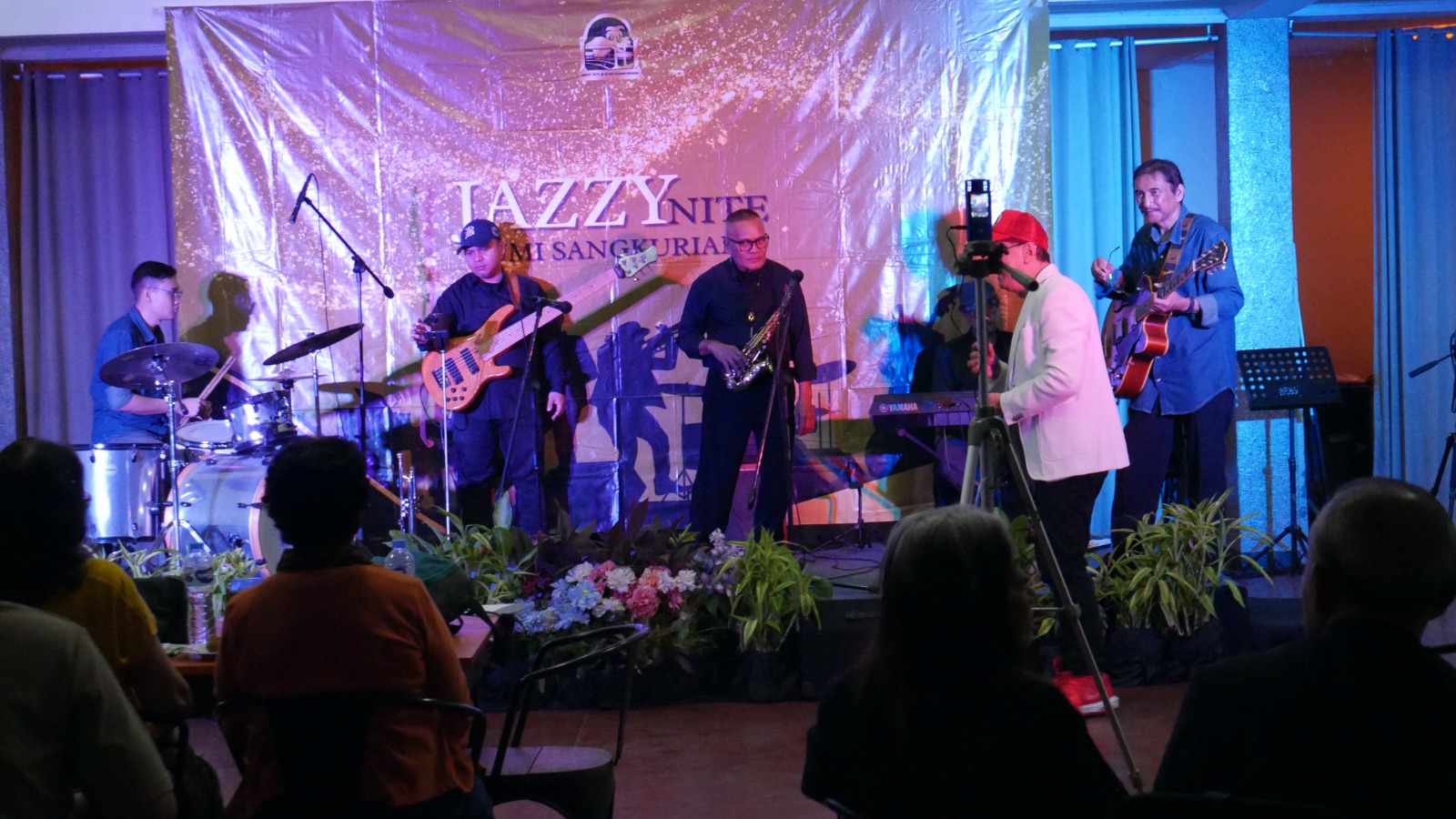
Fundamentally, the building’s history also offers an added aesthetic dimension; from its use by Dutch society during the colonial era to its role in Indonesia’s national history following the 1955 Asian-African Conference, every wall and corner holds long-standing stories and history. So, when highly improvisational jazz is played in a space like this, the historical and architectural atmosphere doesn’t stifle creativity. Instead, it provides a deep narrative framework. Naturally, the physical and historical background of the venue becomes an integral part of the resulting musical experience. The elegant atmosphere and historical weight of Bumi Sangkuriang create a “feedback loop” where musicians aren’t just playing notes; they are “dialoguing” with the space itself. As a result, every jazz performance feels unique, crafted specifically for that moment and place, leaving the impression that the music has found its most authentic form right there.
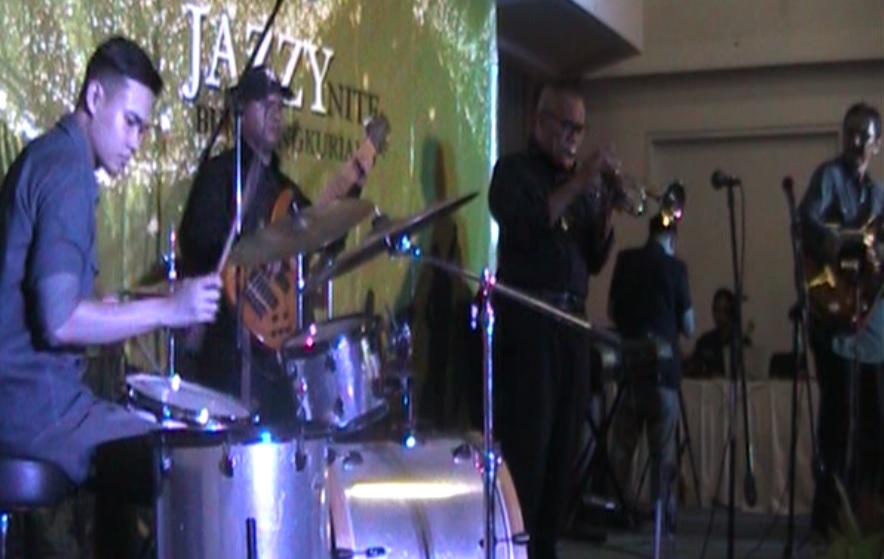
Furthermore, jazz music (especially its principle of improvisation) acts as an “activator” for cultural heritage. Jazz is the antithesis of the static. The essence of this genre lies in spontaneous musical creation, driven by high musicality and technical prowess on stage, which results in unique and captivating performances across every repertoire. The presence of this dynamic and contemporary cultural activity fundamentally shifts public perception of the building. It “breathes life” into stone and concrete through sound, movement, emotion, and human interaction. Initiatives like the monthly ‘Bumi Sangkuriang Jazzy Nite’ are perfect examples of a sustainable living heritage strategy. By hosting these events regularly, BP. Bumi Sangkuriang consistently “performs” its role as a relevant and active cultural hub. This alters the psychological relationship between the building and the local community. Rather than being an object kept at a distance, the building transforms into a welcoming and familiar host. Jazz enthusiasts don’t just come to look at a historical building; they come to experience the cultural and humanistic expression being created within it. These activities effectively “close the psychological distance” between the public and the heritage site, fostering a deeper sense of ownership and local pride.
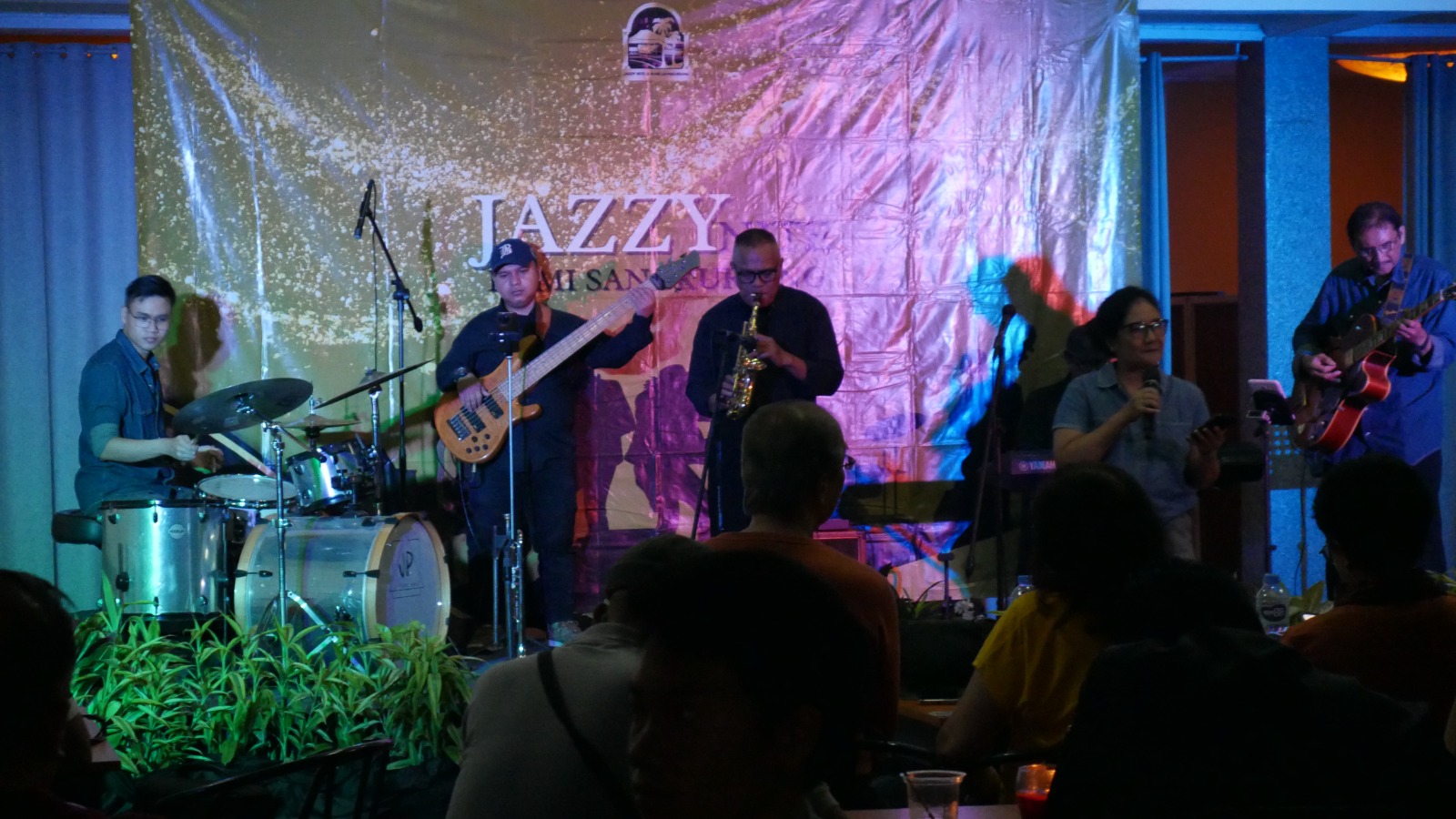
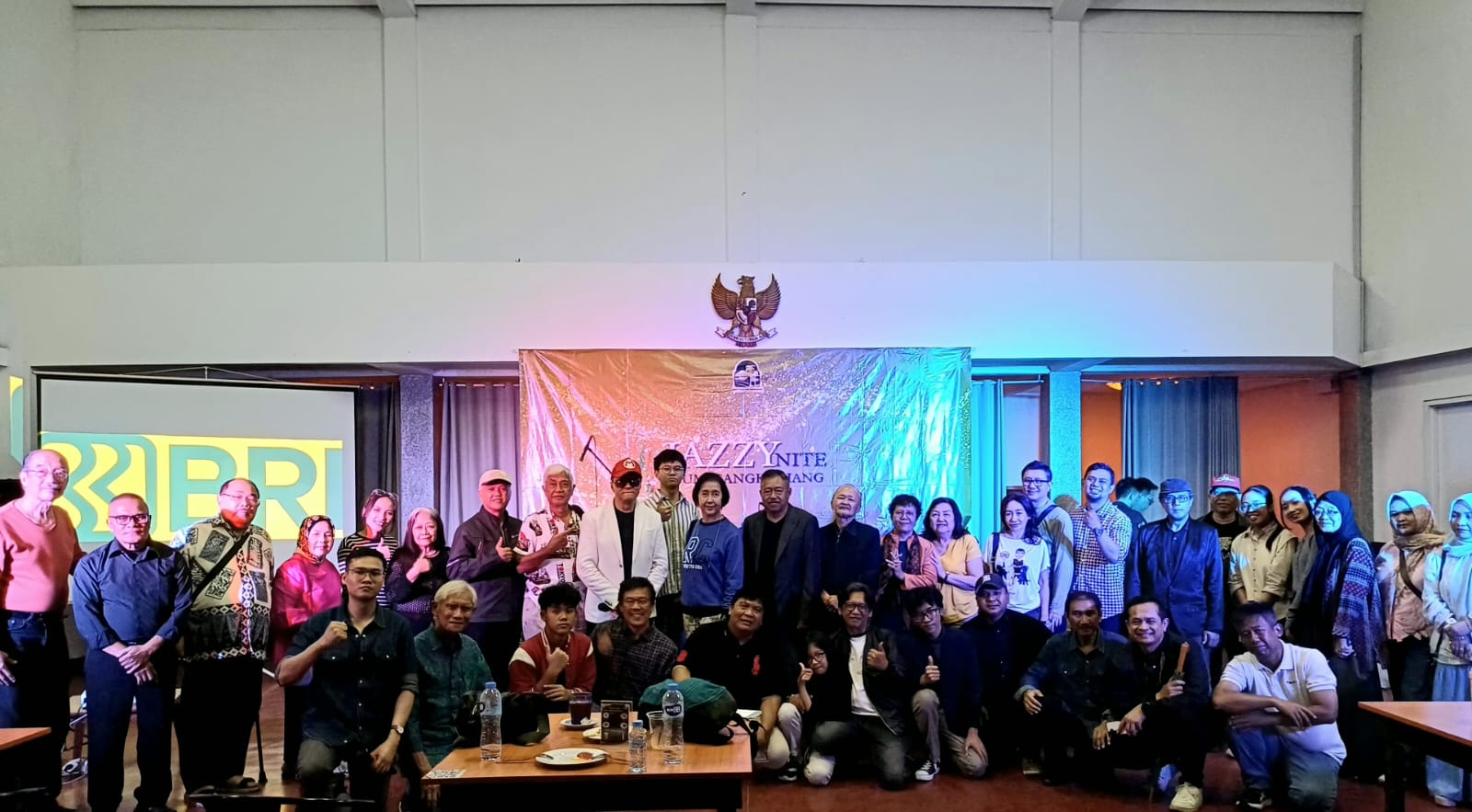
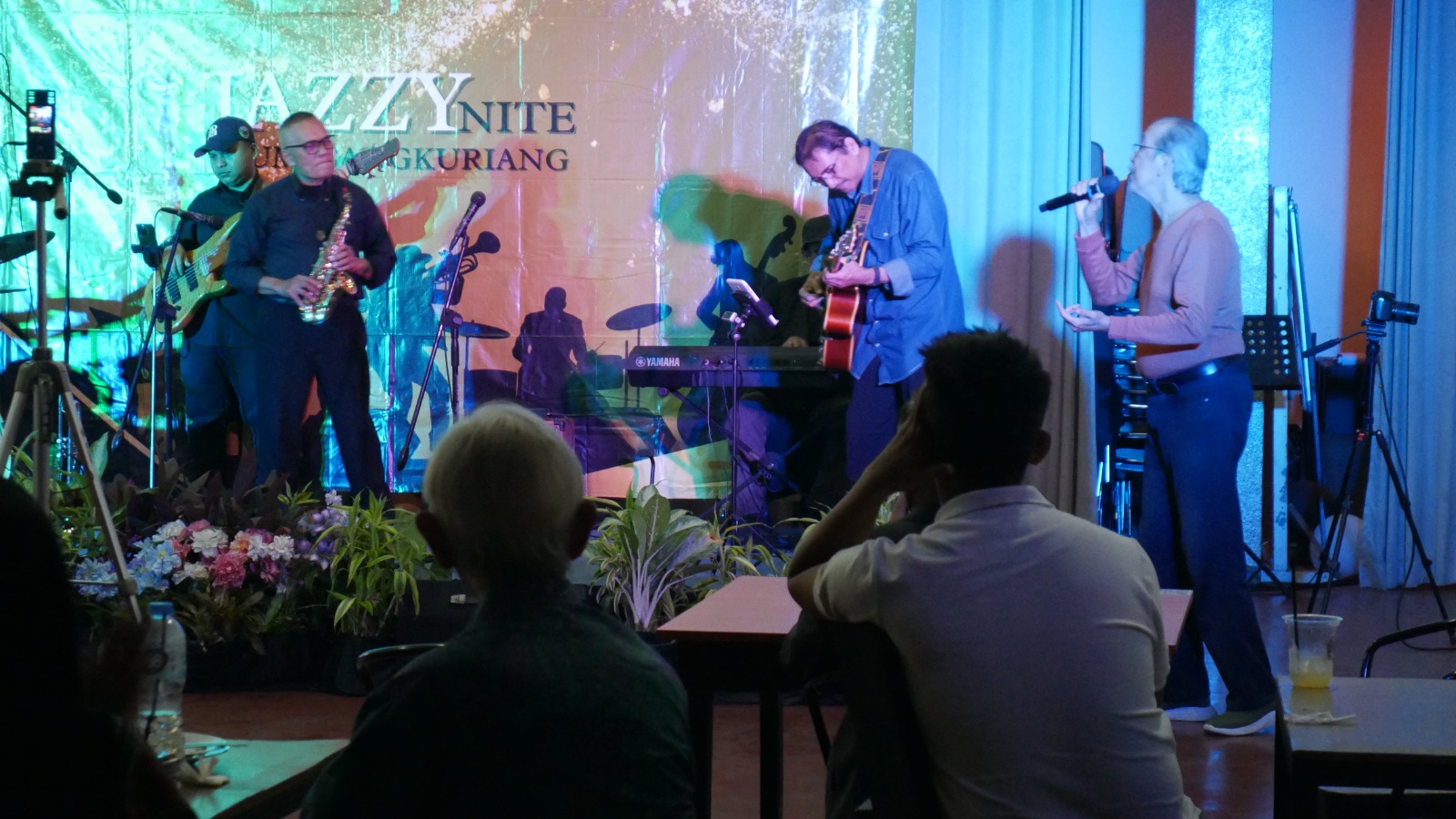
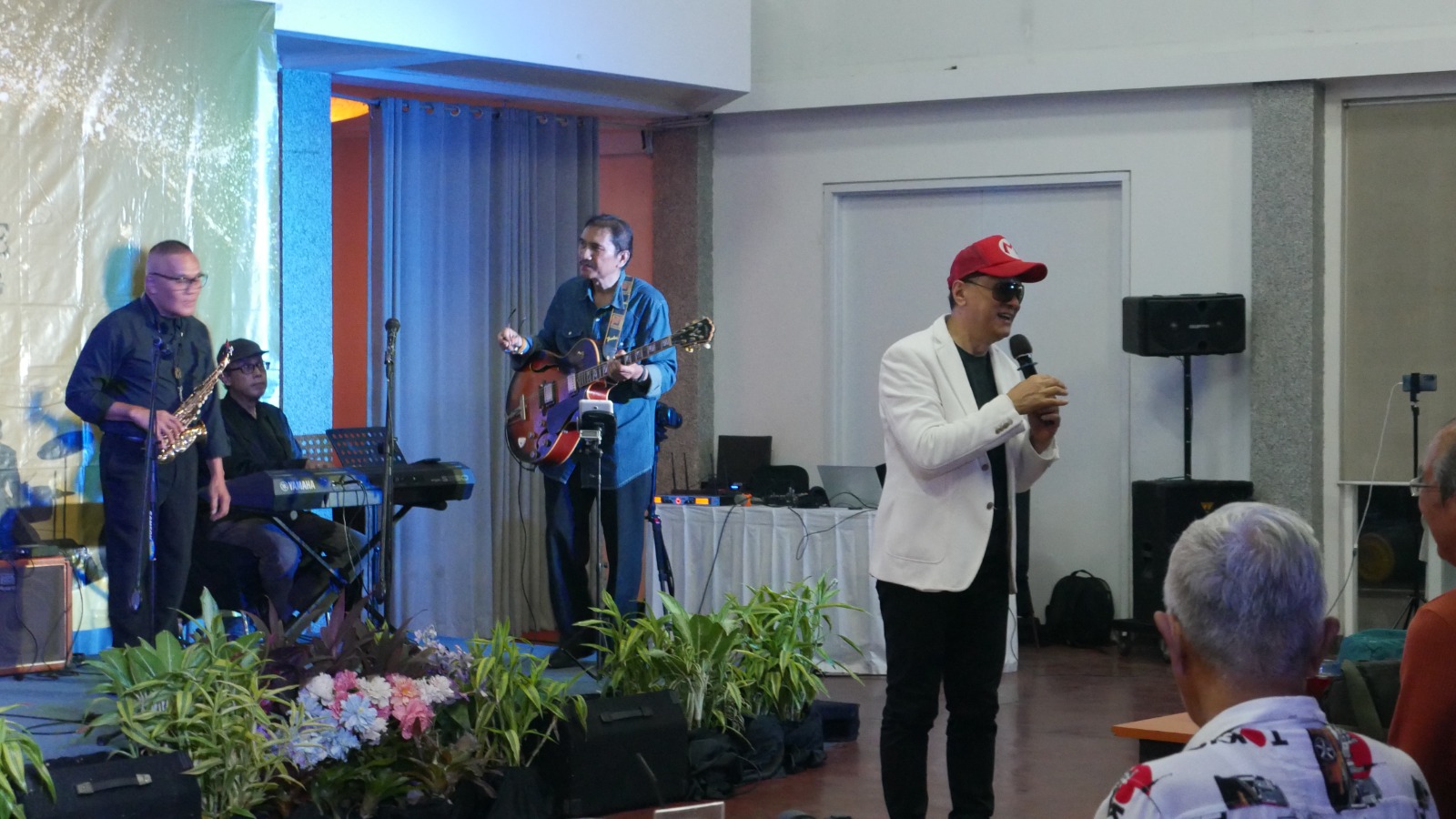
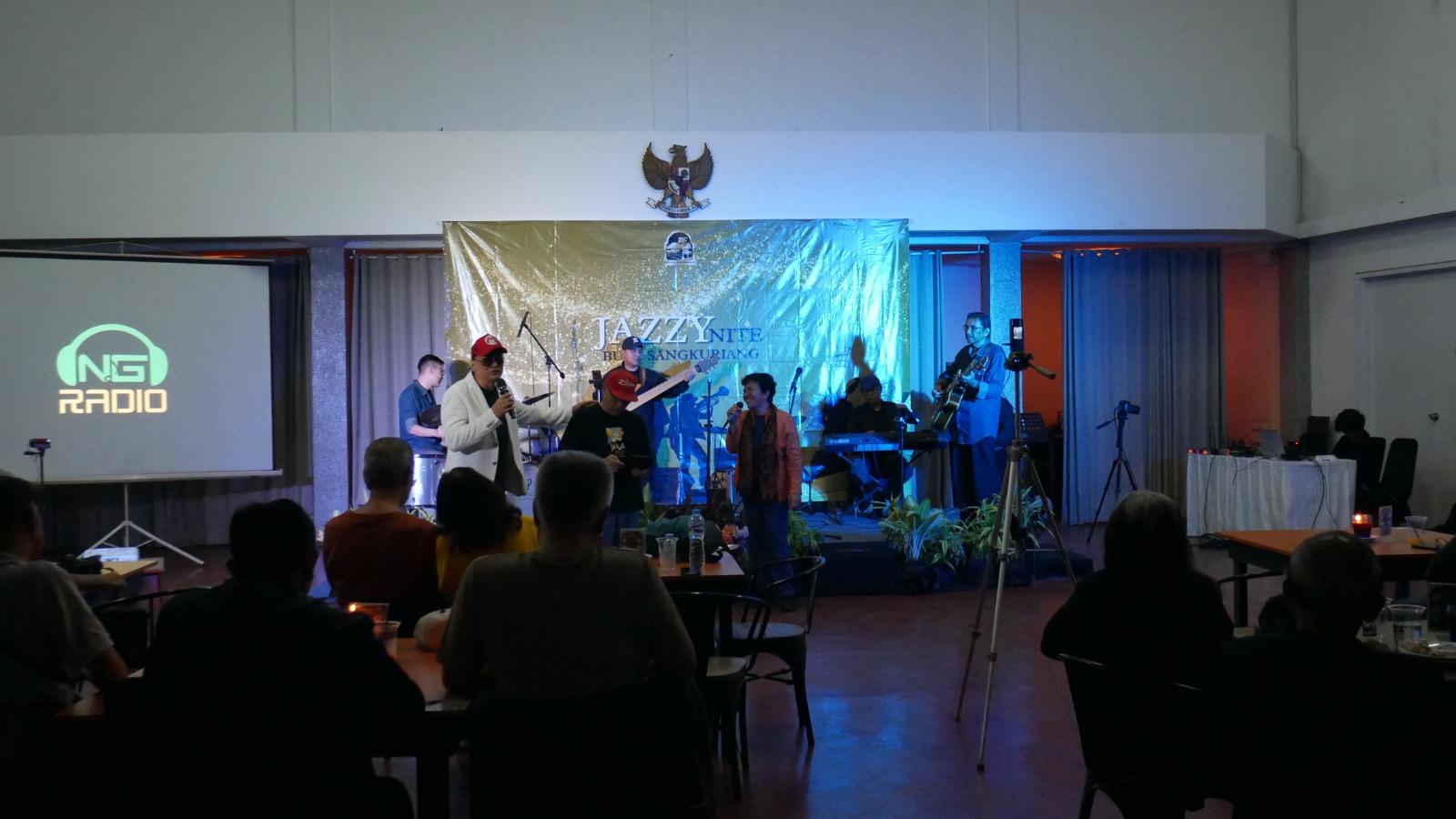
Moreover, this combination of timeless architecture and jazz improvisation creates a new definition of authenticity. The concept of authenticity in conservation has evolved from a strict focus on original materials and physical integrity toward social values, local contexts, and subjective experiences. The presence of Kanggep A. Kusuma, S.Pd., M.Kom. (Guitar), Ir. Imam Pras (Piano), Alman Naufal, M.Pd. (Drums), Aries Ardiansyah, M.Sn. (Bass), Idham Noorsaid (Saxophone), and Anthony S. (Vocals) at the 10th episode of Bumi Sangkuriang Jazzy Nite is undoubtedly tied to this overarching conceptual success. Their ability to navigate jazz music provides an experience that is not only rich in high technical skill but also serves as a platform that nurtures creativity and interactive participation from the prestigious attending guests (including Ar. Ir. Baskoro Tedjo, MSEB., PhD., IAI., AA, Katherina Achmad, M. Si., Mrs. Fika, Mr. Benny, and so on). Also, the support from youthful media like NG Radio helps this event significantly to disseminate their conceptual paradigms and authentic jazz performances at Bumi Sangkuriang, which shapes a new authenticity; an authenticity defined as an active cultural space that is responsive to the times. This authenticity no longer stems from rigid historical preservation, but rather from the building’s ability to respond, adapt, and become an inseparable part of contemporary culture. It is a living, continuously evolving authenticity. Ultimately, this aesthetic synergy doesn’t just create a beautiful experience; it conceptually enriches the very idea of what it means for cultural heritage to be “authentic,” “everlasting,” and “valuable.”


